
100 Day Countdown: Why 2026 World Cup Changes the Player Pipeline
The 2026 FIFA World Cup isn’t just a mega-event staged across the United States, Canada, and Mexico — it’s a generational inflection point for youth soccer in North America.
Leo Santos
Sports Journalist
One hundred days from now, the global game lands on home soil. The 2026 FIFA World Cup isn’t just a mega-event staged across the United States, Canada, and Mexico — it’s a generational inflection point for youth soccer in North America. For youngplayers inside MLS academies, League1 Ontario, USL systems, and ECNL environments, this tournament is no longer abstract, its proximity and proof of pathway.
The scale matters. Expanded to 48 teams, hosted across three nations, and projected to break attendance and broadcast records, 2026 will be the most commercially powerful World Cup in history. But the real impact isn’t the spectacle. It’s infrastructure. Host cities have accelerated investment in training facilities, analytics departments, sports science, and grassroots programming. Those upgrades don’t disappear after the final. They recalibrate the baseline for what elite development looks like in this region.
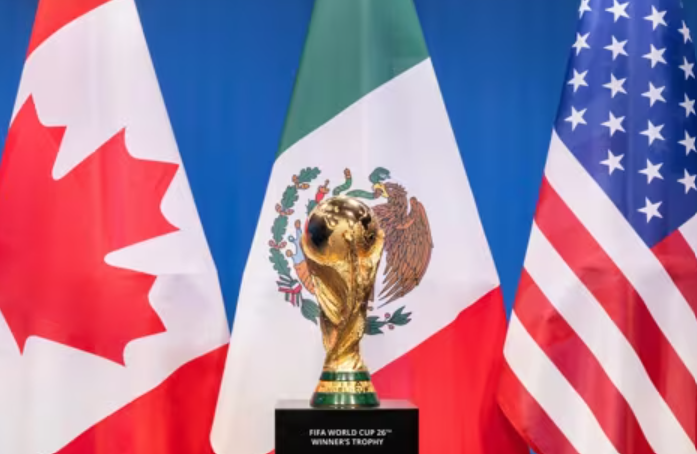
For youth players, visibility is currency. When global scouts, sporting directors, and technical staff base themselves in North America for a month, the market compresses. MLS academies and Liga MX youth systems become local viewing hubs for international evaluators. That proximity reduces friction in cross-border transfers and expands trial pathways. The takeaway: domestic performance carries more global leverage than ever before.
There’s also a psychological shift underway. 2026 moves the aspirational model from screen to stadium. Young players will see elite training environments, tactical detail, and recovery protocols up close. That exposure tightens standards. It challenges clubs to professionalize earlier and pushes prospects to treat development as a daily discipline, not a distant dream.
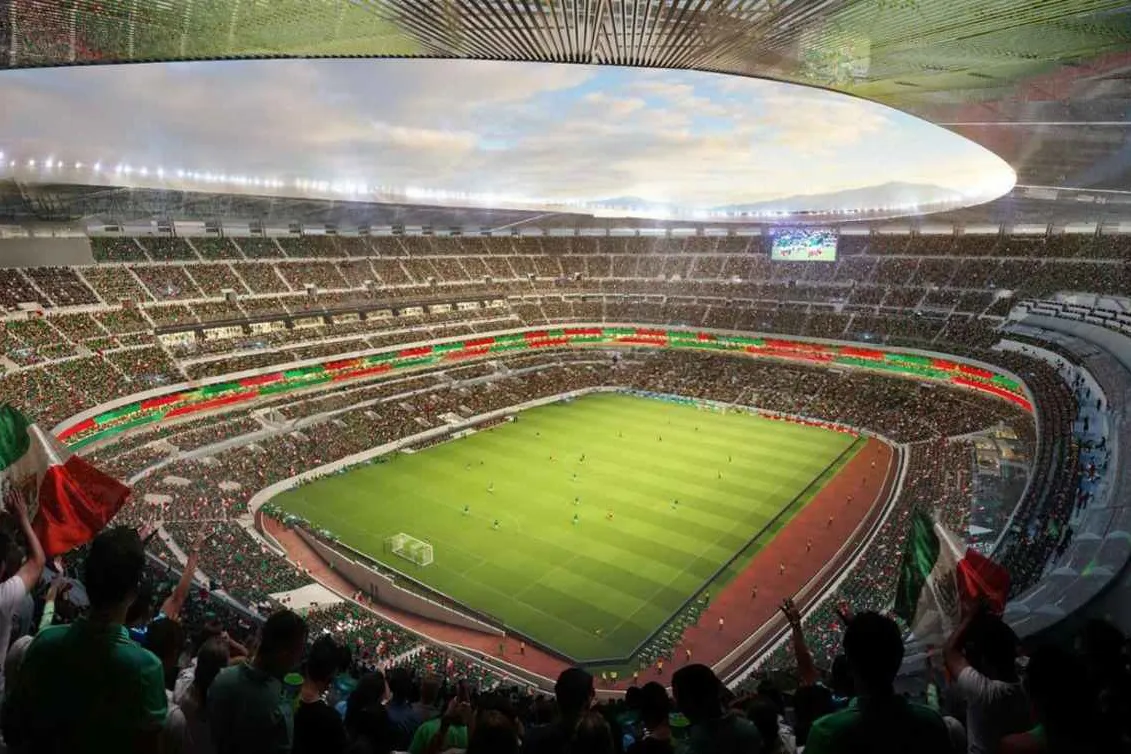
Commercial momentum will follow. Sponsorship activation tied to the World Cup is already flowing into community initiatives, academy scholarships, and facility upgrades. Brands targeting Gen Z consumers understand that soccer is a cultural connector. The players who are 14–18 today will age directly into that commercial ecosystem. Increased NIL-style opportunities, content visibility, and cross-platform branding are part of the next-gen pathway — not distractions from it.

The strategic question for youth soccer isn’t whether 2026 will matter. It’s whether clubs are prepared to convert attention into advancement. That means clearer second-team bridges, smarter competition scheduling, and more intentional exposure to professional training loads. The World Cup will be a spotlight. For the players and organizations ready to meet it, the next 100 days aren’t a countdown — they’re a runway.
Share this story
Help spread the word about youth soccer