
The Vertex Cup Is Back: A New Edition, a New Stage in London
The Vertex Cup moves from Miami to London for its second edition, bringing together Argentina, Mexico, China and Tanzania at U-17 level. All four nations have qualified for the 2026 FIFA U-17 World Cup, giving the tournament an added significance as a preparation opportunity before Qatar. The story also looks back at the inaugural Miami edition and the journeys that have taken the four London participants to the World Cup.
Lucas Aguirre
Sports Journalist
When the first Vertex Cup was played in Miami earlier this year, the idea was simple but ambitious: bring national youth teams from different parts of the world together and give them an environment that felt closer to a senior international tournament than a traditional youth friendly.
The first edition delivered exactly that.
England, Argentina, Mexico and the United States met in South Florida in April, with each team playing three 90-minute matches over the course of a week. England ultimately finished at the top of the table, going unbeaten with seven points, while Argentina finished third after closing the tournament with a 5-3 victory over the United States. Mexico also left its mark, defeating Argentina 3-2 in the opening round.
There were individual performances to remember as well. Argentina forward Bruno Cabral, then with River Plate, finished as the tournament’s leading scorer with four goals, including two in the 5-3 win over the United States. For England, Leicester City academy midfielder Darren Motsi scored in the decisive 5-1 victory over Mexico and contributed an assist as the Young Lions finished the week unbeaten.
The Miami tournament was more than a collection of youth friendlies. Vertex built the competition around the idea of giving young national teams exposure to unfamiliar styles, different football cultures and the demands of playing three full matches in a short period of time.
Now, that concept is moving across the Atlantic.
The Vertex Cup is coming to London, and the second edition brings together Argentina, Mexico, China and Tanzania at U-17 level. The tournament will run from late September into early October, with the four nations scheduled to meet across three matchdays on October 1, 4 and 7.
All four nations have already qualified for the 2026 FIFA U-17 World Cup in Qatar.
That turns London into something of a World Cup rehearsal.
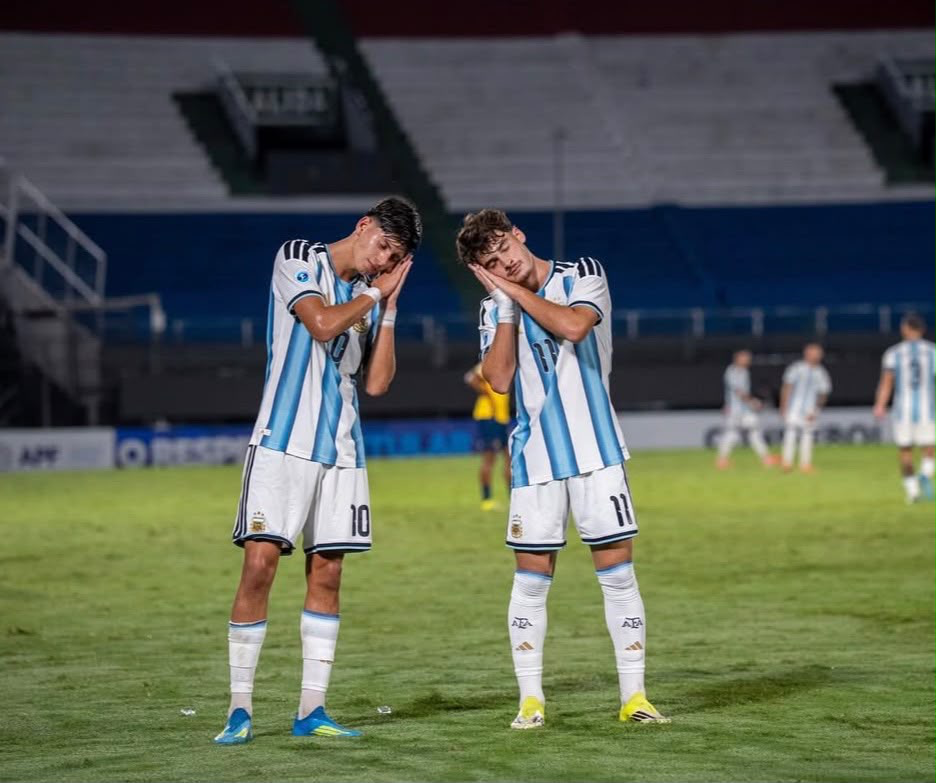
Argentina enter London after an impressive run at the 2026 CONMEBOL U-17 Championship in Paraguay. Diego Placente’s team reached the final and secured its place at the World Cup, finishing second in South America after a tournament that included wins over Peru and Venezuela, a draw with Bolivia and a semifinal victory over Ecuador.
The Albiceleste began the competition with a 4-1 win over Peru, with Alan Alcaraz and Tobías Goytia scoring twice each. They followed that with a 3-2 victory over Venezuela before suffering a 3-0 defeat to Brazil. A 1-1 draw with Bolivia was enough to send them into the knockout stage, where they produced one of their best performances of the tournament by defeating Ecuador 3-1 in the semifinal. Facundo Salinas, Juan Cruz Policella and Emiliano Barrionuevo were on the scoresheet.
The final ended in a 4-0 defeat to Colombia, but Argentina had already achieved its primary objective by qualifying for Qatar. The campaign also highlighted several players who could be worth watching in London, including Alcaraz, Salinas, Policella and Goytia, all of whom contributed goals during the South American tournament.
Argentina will enter the Vertex Cup knowing that the World Cup group stage will be particularly demanding. The Albiceleste were drawn into Group C alongside Australia, Mozambique and Denmark, meaning the London matches offer a valuable opportunity to experience different tactical approaches before travelling to Qatar.
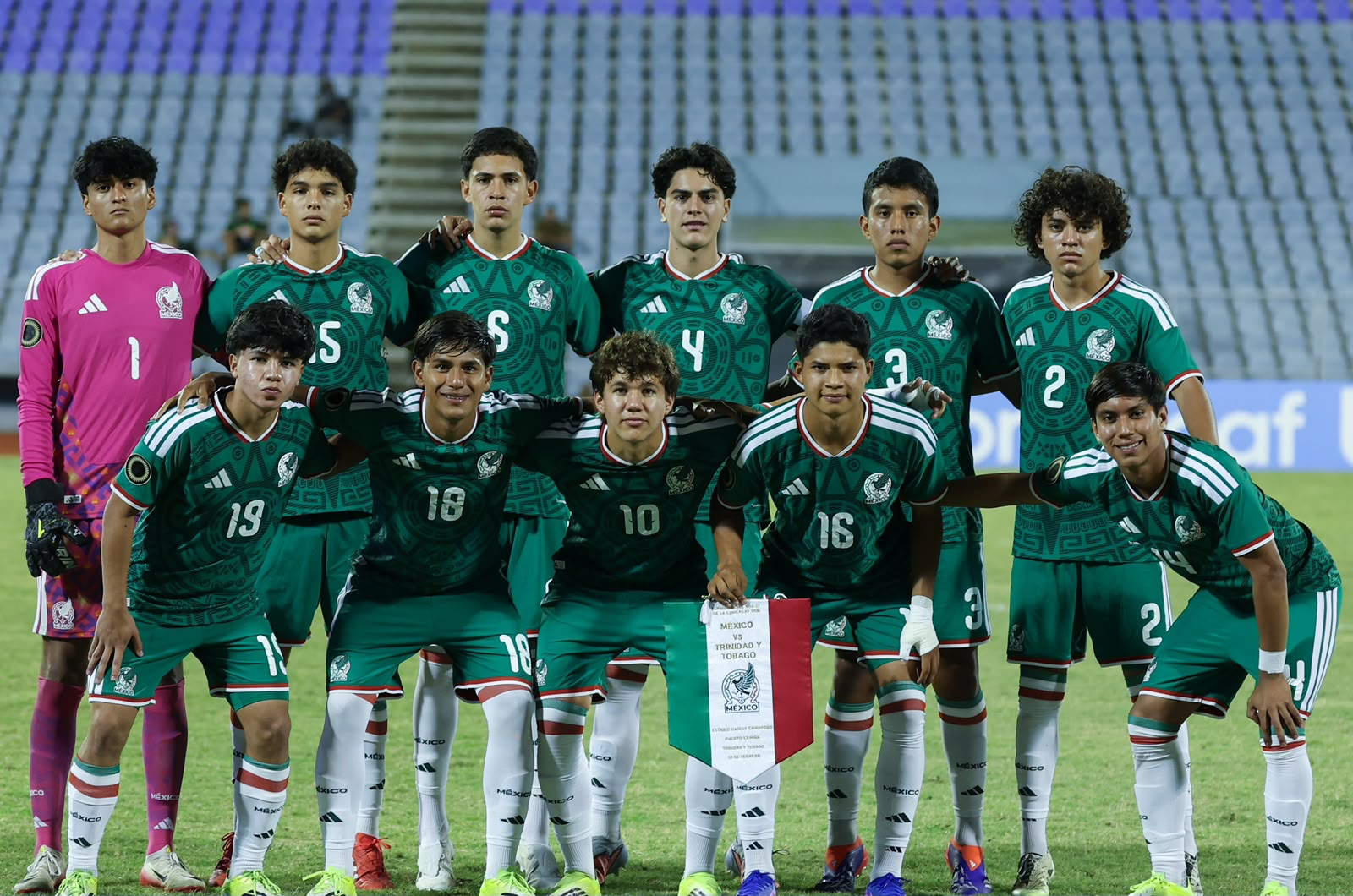
Mexico arrive with perhaps the most dominant qualification campaign of the four teams. During the 2026 Concacaf U-17 Qualifiers, El Tri won all four of its matches in Group A, scoring 20 goals and conceding only two.
The qualification was sealed with a 2-1 victory over Trinidad and Tobago. Jesús Orduño opened the scoring after receiving a pass from Adán Sánchez, before Sánchez himself doubled Mexico’s advantage four minutes later. The result gave Mexico first place in the group and secured a ninth consecutive appearance at the FIFA U-17 World Cup.
The current Vertex Cup roster includes players from clubs such as América, Guadalajara, Monterrey, Tijuana and León, as well as Jonathan De La Fuente of Colorado Rapids, Saulo Tejeda of Dinamo Zagreb and Matthew Arana of Houston Dynamo.
Mexico will face Argentina in its opening London match before meeting China and Tanzania. At the World Cup, Jürgen Castañeda’s team will be in Group K alongside Romania, Cameroon and Venezuela, making this international camp another opportunity to refine a squad that already demonstrated considerable attacking production during qualifying.
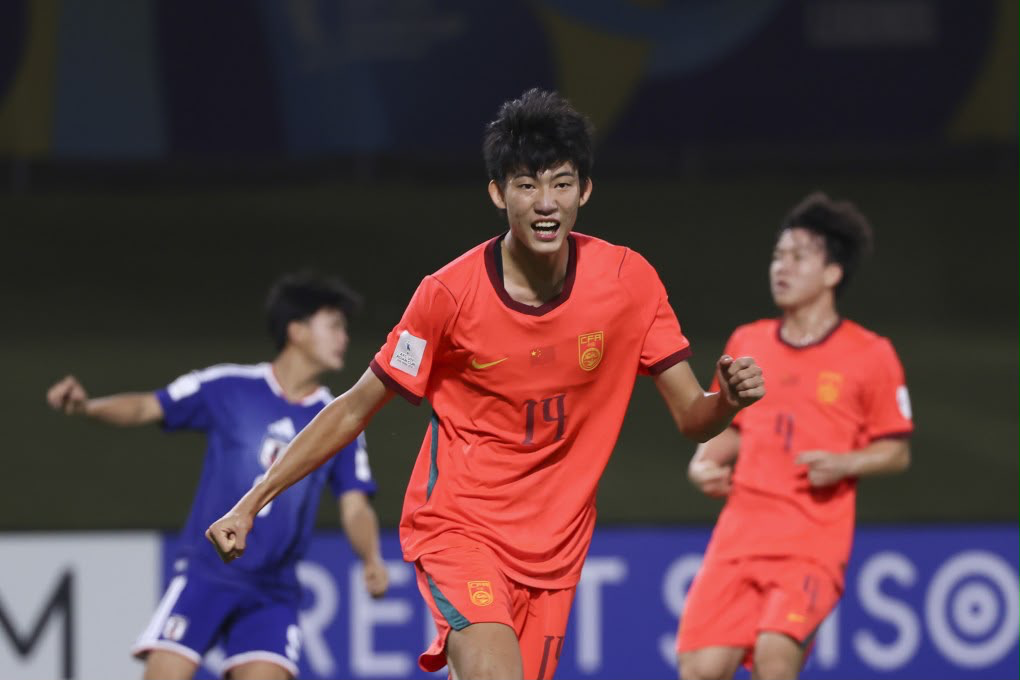
China’s path to Qatar was perhaps the most dramatic of the four. At the AFC U-17 Asian Cup in Saudi Arabia, China lost its opening two matches, falling 1-0 to Indonesia and 2-1 to Japan. That left the team needing a result in its final group match against Qatar.
China responded with a 2-0 victory, finishing second in Group B and securing qualification for its first FIFA U-17 World Cup since 2005. It was a significant achievement for a program that had waited more than two decades to return to the global stage.
The Chinese team then went even further at the continental tournament. In the quarterfinal, China came from behind to defeat hosts Saudi Arabia 3-1, with Wan Xiang, Zhao Songyuan and He Sifan scoring. The result sent China into the Asian semifinal for the first time since 2004.
China eventually reached the final, where Japan won 3-2 after China fought back from 3-0 down and came close to completing a remarkable comeback. Even without the trophy, the run represented a major breakthrough and gave the squad valuable experience against some of Asia’s strongest youth teams.
At the World Cup, China will face Korea Republic, Fiji and Morocco in Group H. The London trip therefore represents another chance to expose this group to international opponents from outside Asia before their return to the global stage.
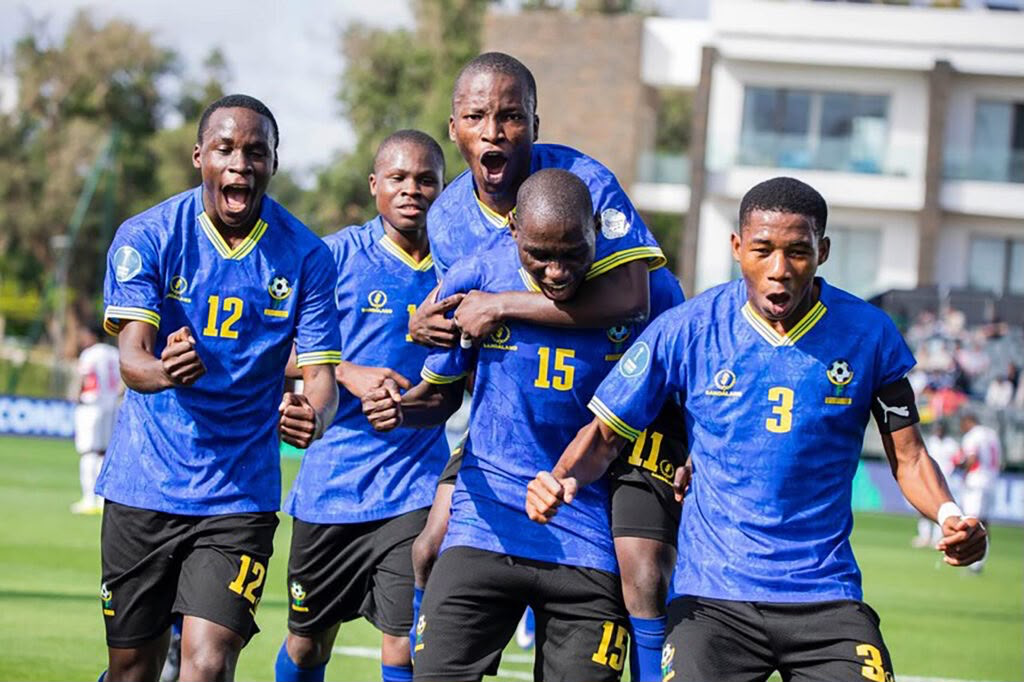
If China’s qualification represented a long-awaited return, Tanzania’s campaign was a genuine breakthrough. The Serengeti Boys reached the 2026 CAF U-17 Africa Cup of Nations final for the first time in their history, while also securing their place at the FIFA U-17 World Cup.
Tanzania’s run in Morocco was one of the biggest stories of the tournament. They eliminated Egypt on penalties after a goalless semifinal, winning the shootout 4-3 and reaching their first-ever continental youth final.
The final against Senegal was another dramatic contest. Tanzania took an early lead through Hamis Chenga, Senegal equalized through Ibrahima Dione, and the match eventually went to penalties. Senegal won the shootout 4-2, but Tanzania left the tournament as continental runners-up and with their first World Cup qualification secured.
One of the players who emerged from that historic campaign was forward Dismas Shida Athanasi. At only 14 years old, Athanasi was the youngest player at the tournament and won the Golden Boot after scoring three goals. Teammate Ramadhani Mbegelendi also finished among the tournament’s leading scorers with two goals and two assists.

What makes the London edition of the Vertex Cup particularly compelling is how different the four teams’ journeys have been.
Argentina qualified after reaching the South American final. Mexico did it with a perfect group-stage record and 20 goals. China overcame two opening defeats before reaching the Asian final and ending a 21-year World Cup absence. Tanzania went one step further in terms of continental surprise, reaching the African final for the first time in their history.
Now, with London hosting four World Cup-bound nations, the concept has a new stage — and a much clearer destination.
Qatar is waiting.
Share this story
Help spread the word about youth soccer