
The United States to Host the Inaugural FIFA Women’s Club World Cup in 2028
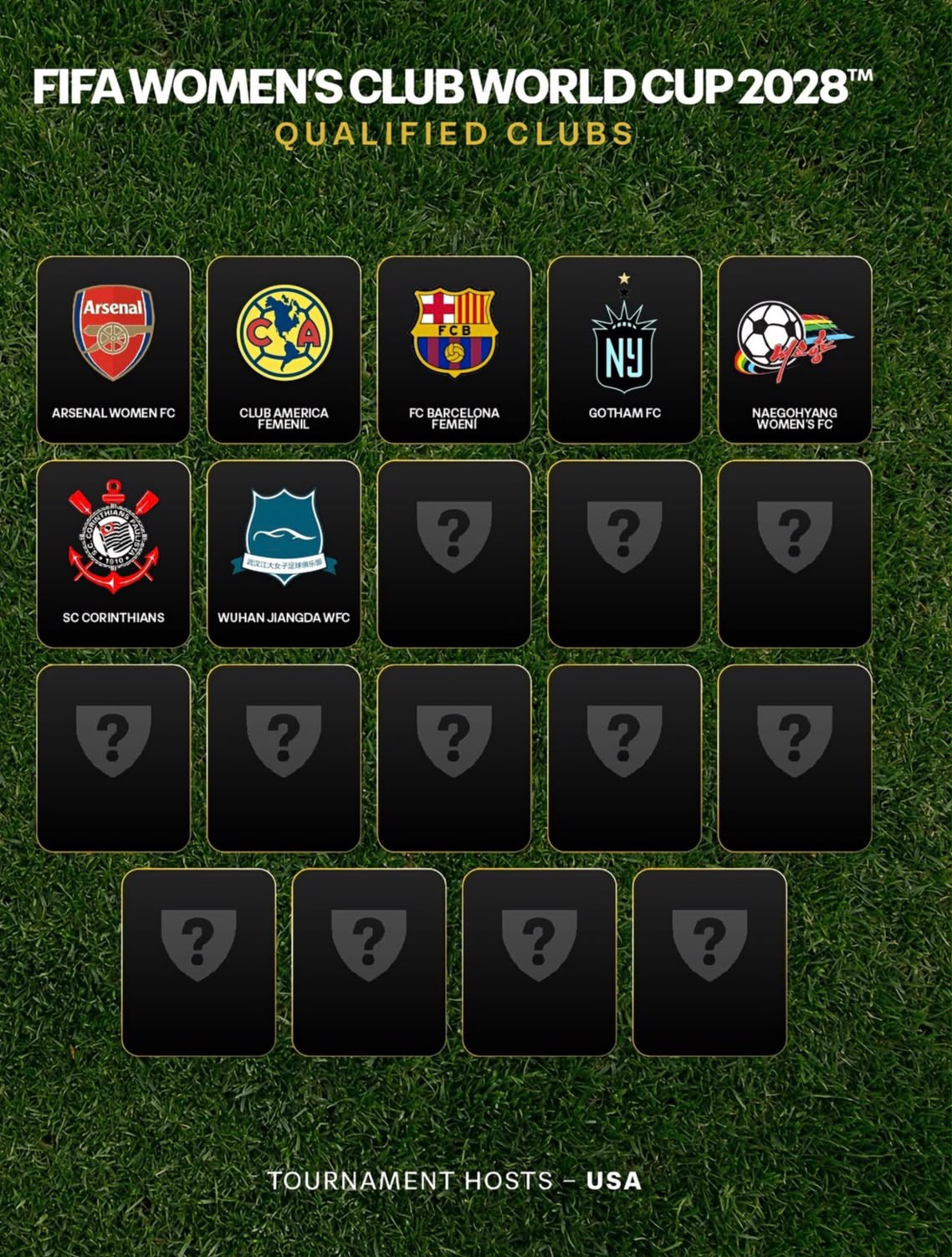
FIFA has confirmed that the United States will host the inaugural FIFA Women’s Club World Cup from January 5–30, 2028. The landmark tournament will feature 19 clubs representing all six continental confederations, with Arsenal, Barcelona, Gotham FC and Club América among the seven teams already qualified.
Lucas Aguirre
Sports Journalist
The United States has been selected to host the inaugural FIFA Women’s Club World Cup, marking a landmark moment for women’s club football and establishing a new stage for the world’s leading teams to compete for global supremacy. FIFA confirmed on October 22 that the first edition will take place from January 5–30, 2028, bringing together 19 clubs from all six continental confederations in a competition designed to elevate the international profile of the women’s game.
The decision gives women’s club football its first edition of a dedicated, quadrennial FIFA Club World Cup. While continental competitions have traditionally determined the leading clubs in each region, the new tournament will provide a direct opportunity for champions and other qualified teams to measure themselves against opponents from different footballing cultures. For FIFA, the ambition is to create a global club showcase capable of expanding audiences, strengthening commercial opportunities and raising the profile of the women’s professional game.
The United States emerged as FIFA’s preferred host following an assessment that considered its experience staging major international tournaments, established sporting infrastructure and growing interest in women’s football. The country hosted the expanded men’s FIFA Club World Cup in 2025 and co-hosted the 2026 men’s World Cup, adding another major international event to an increasingly significant period for American soccer. FIFA has yet to announce the host cities or venues for the 2028 women’s competition.
The inaugural tournament will feature 19 teams, with representation from every continental confederation. UEFA will receive six places, while the Asian Football Confederation, Confederation of African Football, Concacaf and CONMEBOL will each have three representatives. Oceania will be represented by one club. Qualification will prioritize sporting results in each confederation’s premier club competition during the four-year period covering seasons ending in 2024 through 2027, with club rankings also playing a role in determining access.
Seven clubs have already secured places in the historic event, providing an early glimpse of the international quality expected in the United States. Arsenal and FC Barcelona represent Europe, while Club América Femenil will carry Mexico’s flag. Gotham FC will represent the United States, joined by Brazil’s SC Corinthians, China’s Wuhan Jiangda WFC and North Korea’s Naegohyang Women’s FC. The remaining 12 places will be determined through the qualification framework established by FIFA and the respective confederations.
Gotham FC’s qualification is particularly significant for the domestic game. The NWSL club will have the opportunity to represent American women’s club football against leading teams from across the world, while playing in front of a home audience. Its participation also gives the United States a direct sporting connection to the inaugural tournament beyond its role as host nation.
The competition arrives at a time when women’s club football is expanding across multiple markets. European teams have strengthened their international reach through the UEFA Women’s Champions League, South American clubs continue to draw significant attention through the Copa Libertadores Femenina, and leagues across North America and Asia are investing in talent and visibility. A global tournament could bring these different environments into a shared competitive setting, offering fans matchups that are rarely seen outside international friendlies.

The financial and sporting implications will extend beyond the four weeks of competition. A successful inaugural edition could help FIFA establish a recurring global platform for elite women’s clubs, while giving participating teams new opportunities to grow their international fanbases and strengthen their brands. The tournament also provides a further incentive for clubs to compete for continental titles and maintain strong performances throughout the qualification period.
The United States will now prepare to stage a competition intended to become a defining fixture on the women’s football calendar. With 19 clubs, six confederations and a month-long window in January 2028, the inaugural FIFA Women’s Club World Cup will bring the global women’s game together in a new format. The host cities remain to be announced, but the destination is set: the first champion of FIFA’s new global women’s club competition will be crowned on American soil.
Share this story
Help spread the word about youth soccer