
Spain Reclaim the World: La Rojita Are U-20 World Champions Again
Spain defeated the Democratic People’s Republic of Korea on penalties to win the 2026 FIFA U-20 Women’s World Cup, reclaiming the title four years after their first triumph.
Lucas Aguirre
Sports Journalist
Spain are world champions again.
La Rojita defeated the Democratic People’s Republic of Korea 4-3 on penalties after a 0-0 draw through 120 minutes in Łódź, Poland, reclaiming the FIFA U-20 Women’s World Cup title and adding another chapter to one of the strongest development stories in women’s international soccer. Goalkeeper Laia López became the hero of the final, making two saves in the shootout as Spain converted all four of its attempts.
The triumph brings the trophy back to Spain four years after the country won its first U-20 Women’s World Cup in Costa Rica in 2022. In between those two Spanish titles, the Democratic People’s Republic of Korea lifted the 2024 edition, making this year’s final a meeting between the two most recent champions. Spain ultimately reversed the result from the 2024 U-17 Women’s World Cup final, when the same two nations had met with the Asian side taking the title.
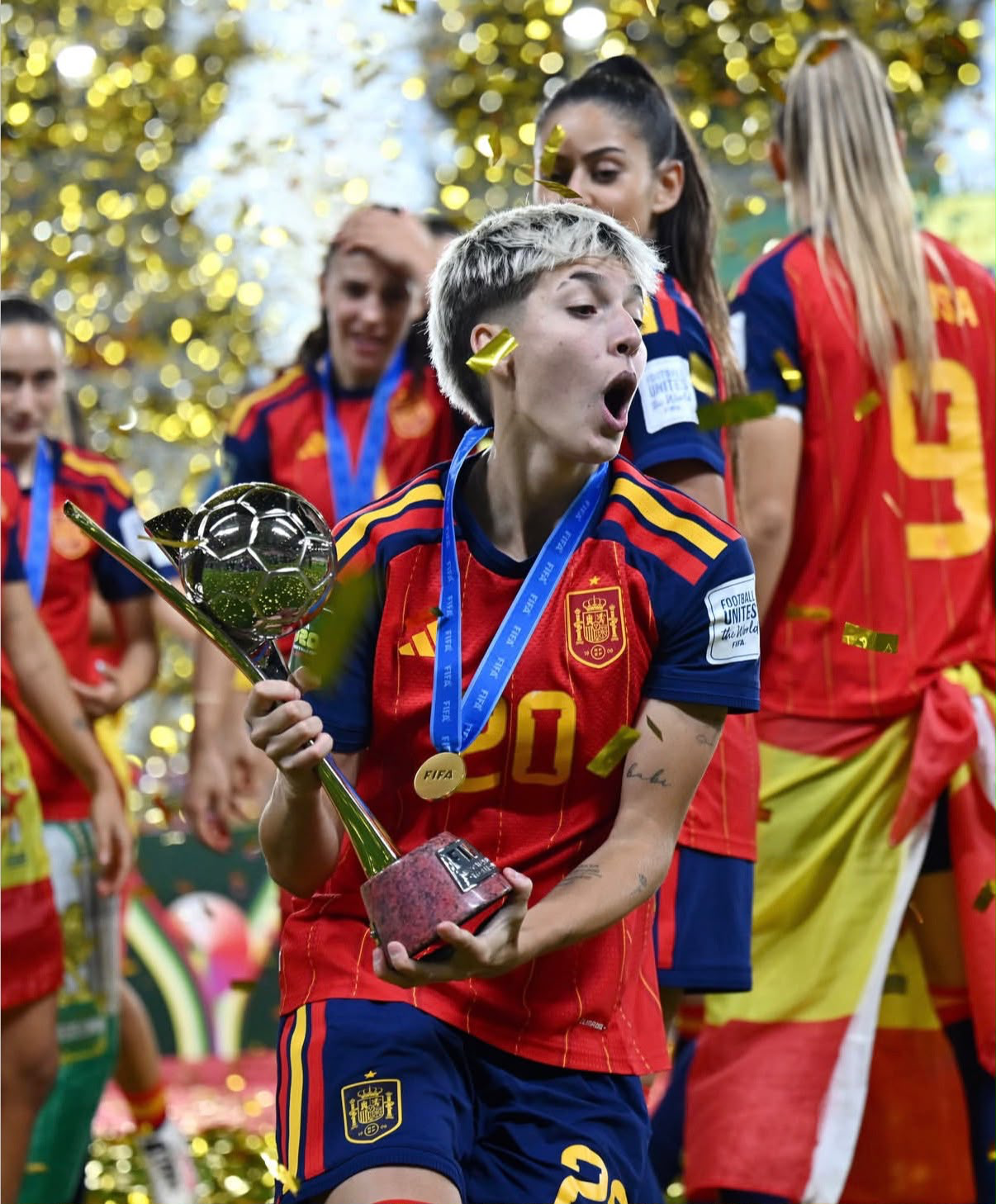
Spain’s championship was built long before the penalty shootout.
David Aznar’s team went through the entire tournament unbeaten, winning all six of its matches before the final and scoring 21 goals on the way to Łódź. Their route included victories over Nigeria and Portugal, followed by a 1-0 quarterfinal win against Brazil and a 2-0 semifinal victory over Italy.
The knockout stage particularly highlighted Spain’s ability to control difficult matches. Against Brazil, Pau Comendador’s first-half goal was enough to send La Rojita through despite sustained pressure from the South Americans. Three days later, Spain handled Italy with a composed performance, with an own goal from Elena Belli and another strike from Comendador securing a place in the final. Daniela Agote played a role in both goals and was named Player of the Match.
That consistency carried Spain all the way to a final against a North Korean side that had not conceded a goal throughout the tournament. It was ultimately a defensive battle in which neither team could find the breakthrough, forcing the championship to be decided from the penalty spot.
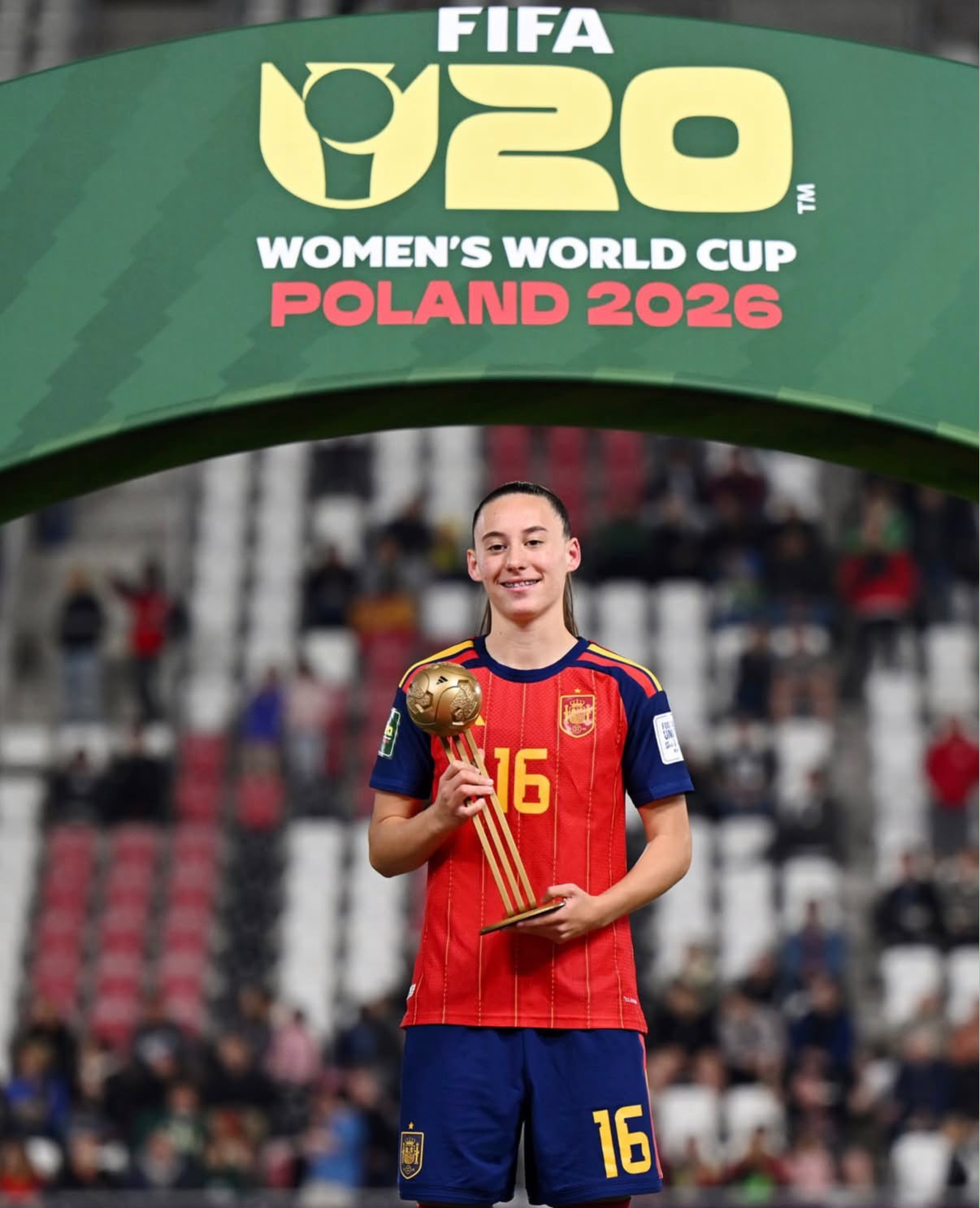
The individual awards reflected the strength of Spain’s campaign.
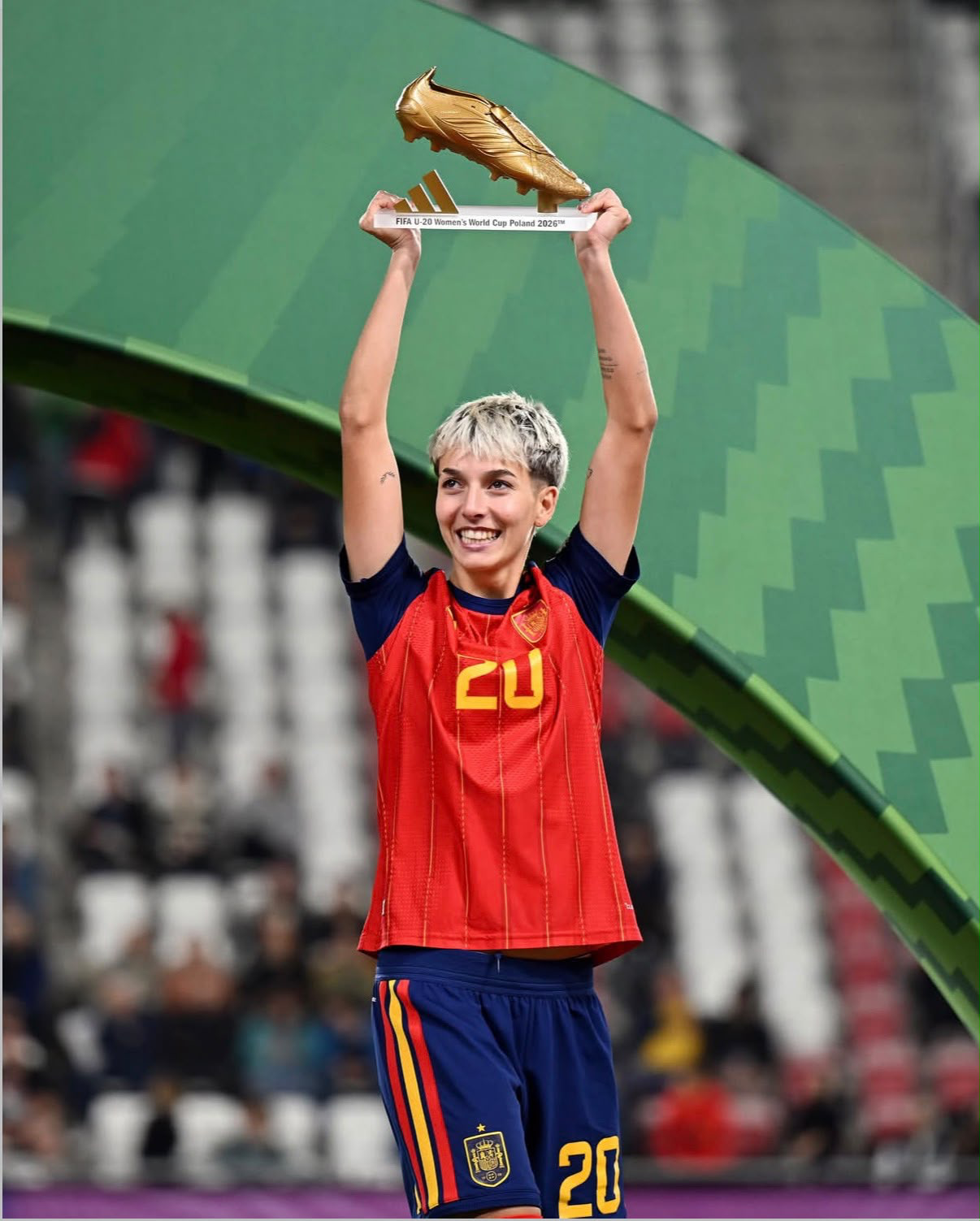
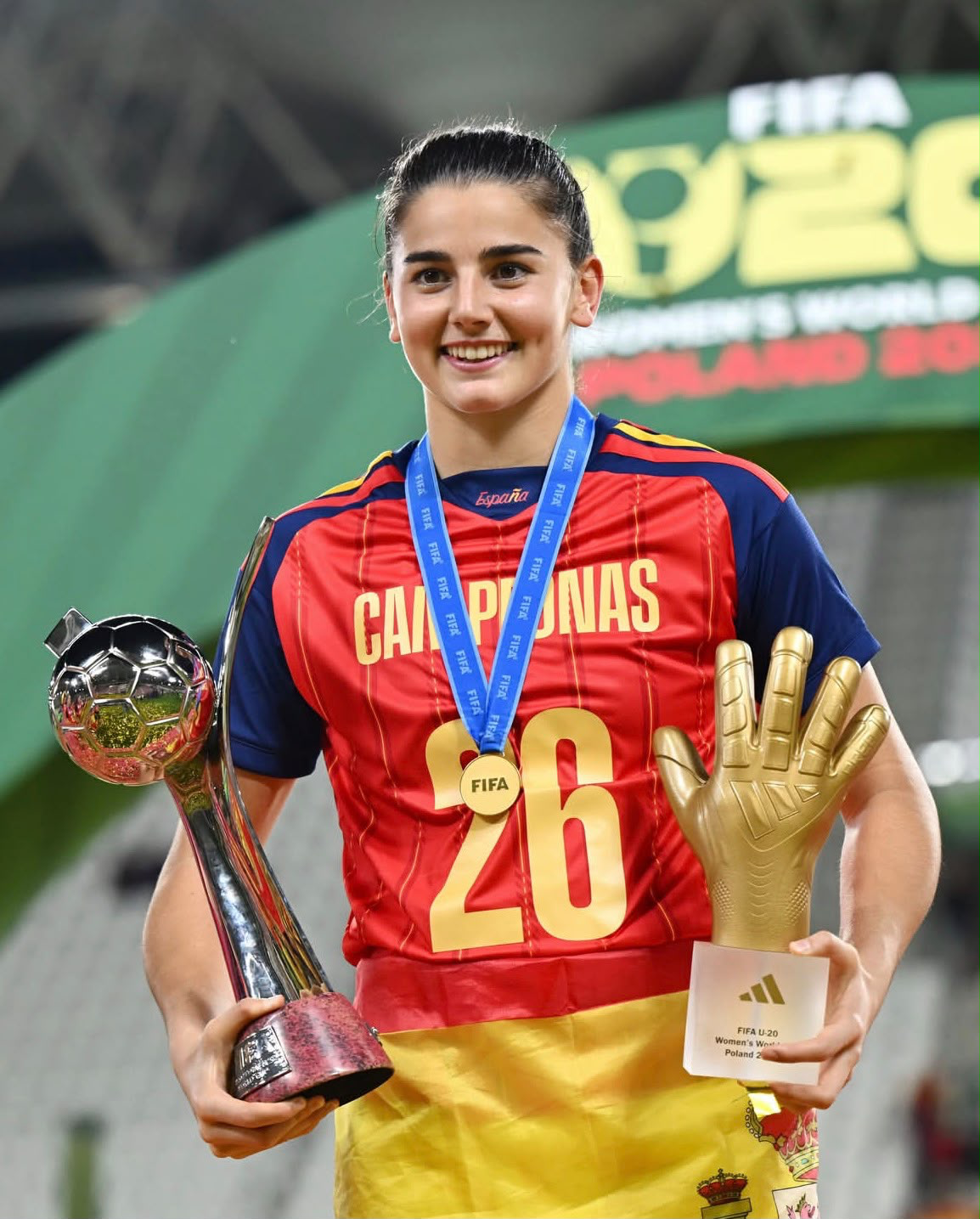
Rosalía Domínguez was named the tournament’s adidas Golden Ball winner, recognizing her as the best player of the competition. Pau Comendador finished as the Golden Boot winner with six goals, while Laia López claimed the Golden Glove after playing a decisive role throughout the tournament and then producing two saves in the final shootout.
Comendador’s tournament was particularly influential. She scored against Brazil in the quarterfinal, found the net again against Italy in the semifinal and finished the competition as its leading scorer. Her six goals made her one of the central attacking figures of Spain’s championship run.
López, meanwhile, saved her biggest moment for the biggest stage. After 120 minutes without a goal, the Spanish goalkeeper stopped two penalties to give her country its second U-20 World Cup title and allow Cristina Librán, Spain’s captain, to lift the trophy in Łódź.
There is a larger story behind Spain’s success.
This group has been developing together for years, with several players carrying previous international experience into the U-20 level. Spain arrived in Poland after also winning the UEFA Women’s Under-19 Championship, giving the generation another major international title before its World Cup campaign.
That continuity is one of the defining characteristics of Spain’s women’s youth teams. Players are introduced to international competition at younger age groups and then continue progressing through the pathway, creating squads capable of competing for major trophies at multiple levels.
For this generation, the U-20 World Cup represents another important step. The likes of Domínguez, Comendador, López, Agote and captain Cristina Librán have now added a global title to their youth résumés, while several members of the group will eventually look to make the jump toward the senior national team.
The U-20 World Cup has historically served as an important platform for future stars, and Spain has already seen that pathway produce players who later became central figures at senior level. Salma Paralluelo, for example, was part of Spain’s 2022 U-20 World Cup-winning team before going on to become a senior World Cup champion with Spain.
The final against the Democratic People’s Republic of Korea was not a high-scoring spectacle. It was something different: a test of patience, defensive organization and composure under pressure.
Spain passed that test.
After 120 minutes without a goal, the championship came down to penalties. López made the decisive saves, Spain converted all four of its attempts, and La Rojita finally had its second U-20 Women’s World Cup trophy.
Four years after first reaching the summit in Costa Rica, Spain have returned to it in Poland.
And this time, they did it with an unbeaten campaign, three individual Golden awards, a new generation of players and another global title to add to an increasingly remarkable record in women’s youth soccer.
Spain are world champions again — and the next generation has already begun writing its own chapter.
Share this story
Help spread the word about youth soccer