
Samuel Pereda: From Non-MLS Academy to a Bronze Medal With Peru
Born in the United States and developed at Queen City Mutiny, Samuel Pereda moved to Alianza Lima and has now won a bronze medal with Peru at the 2026 South American Games.
Lucas Aguirre
Sports Journalist
Samuel Pereda’s football journey has already taken him across two countries and two different football environments. Born in New Jersey in 2008 to a Peruvian father and American mother, the 18-year-old center back developed through the youth system in the United States before making the move to Peru and joining Alianza Lima.
Now, Pereda has added another important chapter to that story. The Alianza Lima defender was part of Peru’s U-20 squad that won the bronze medal at the 2026 South American Games in Argentina, helping the Bicolor finish on the podium in Rosario. Peru defeated Chile 2-1 in the third-place match after falling narrowly to Argentina in the semifinals.
For Pereda, the medal represents another step in an international pathway that has gradually taken him from American youth soccer to one of Peru’s biggest clubs and, now, the national-team setup.
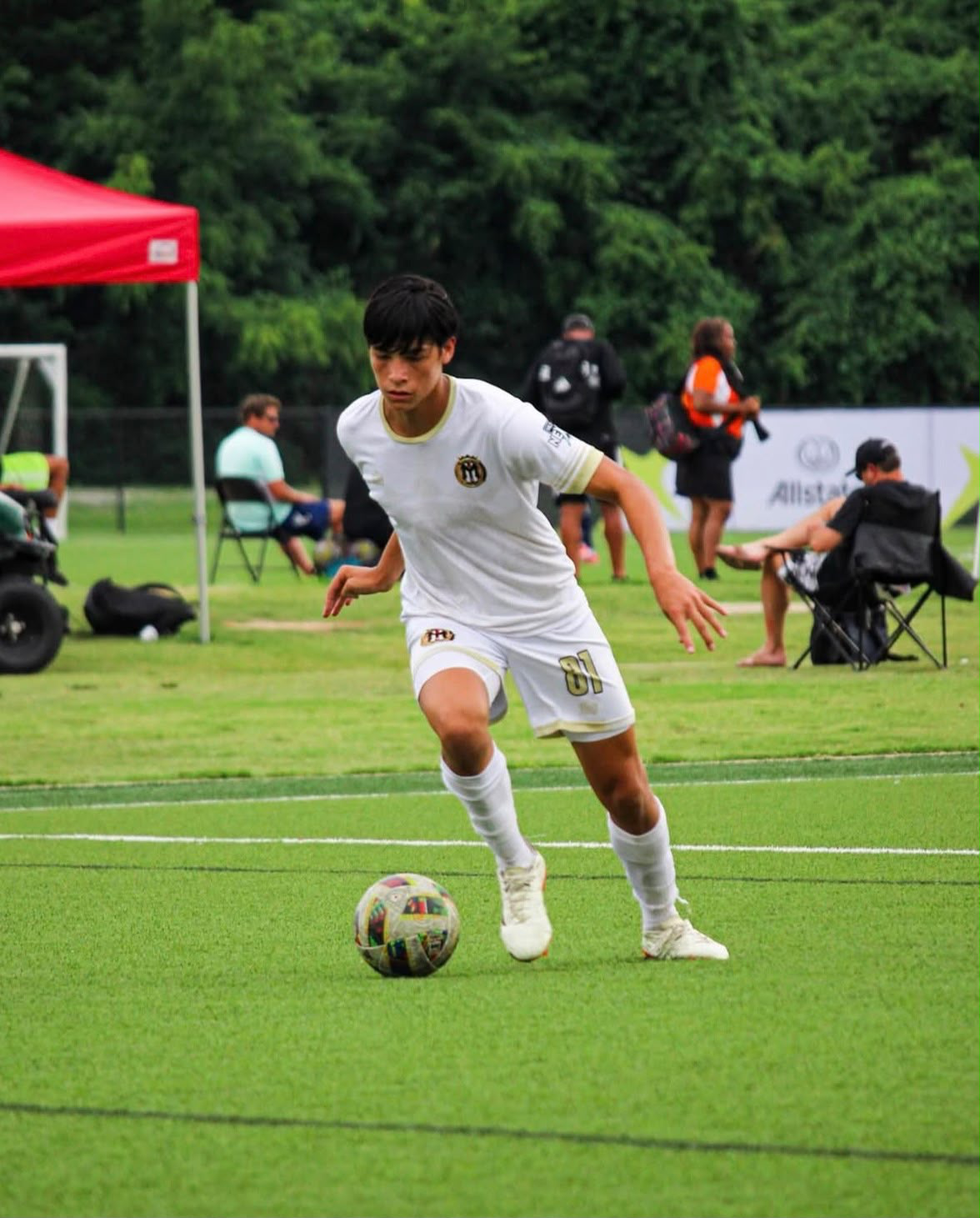
Born in the United States in 2008, the 18-year-old defender spent his formative years in American youth soccer before making a significant move south. After beginning his development with Charlotte FC, Pereda found a more prominent role with Queen City Mutiny, an academy operating within the American youth soccer landscape. That experience eventually opened the door to a very different football environment: Peru and Alianza Lima.
That move proved to be a turning point.
Pereda joined Alianza Lima, one of the most historic clubs in Peruvian football, and began adapting to a completely different football environment. The transition also brought him closer to the national-team pathway, allowing Peru to monitor a player who had been developed almost entirely in the United States.
His profile as a 6-foot-1 center back gave him a natural fit for the position, while the experience of playing in different development environments became an important part of his progression.
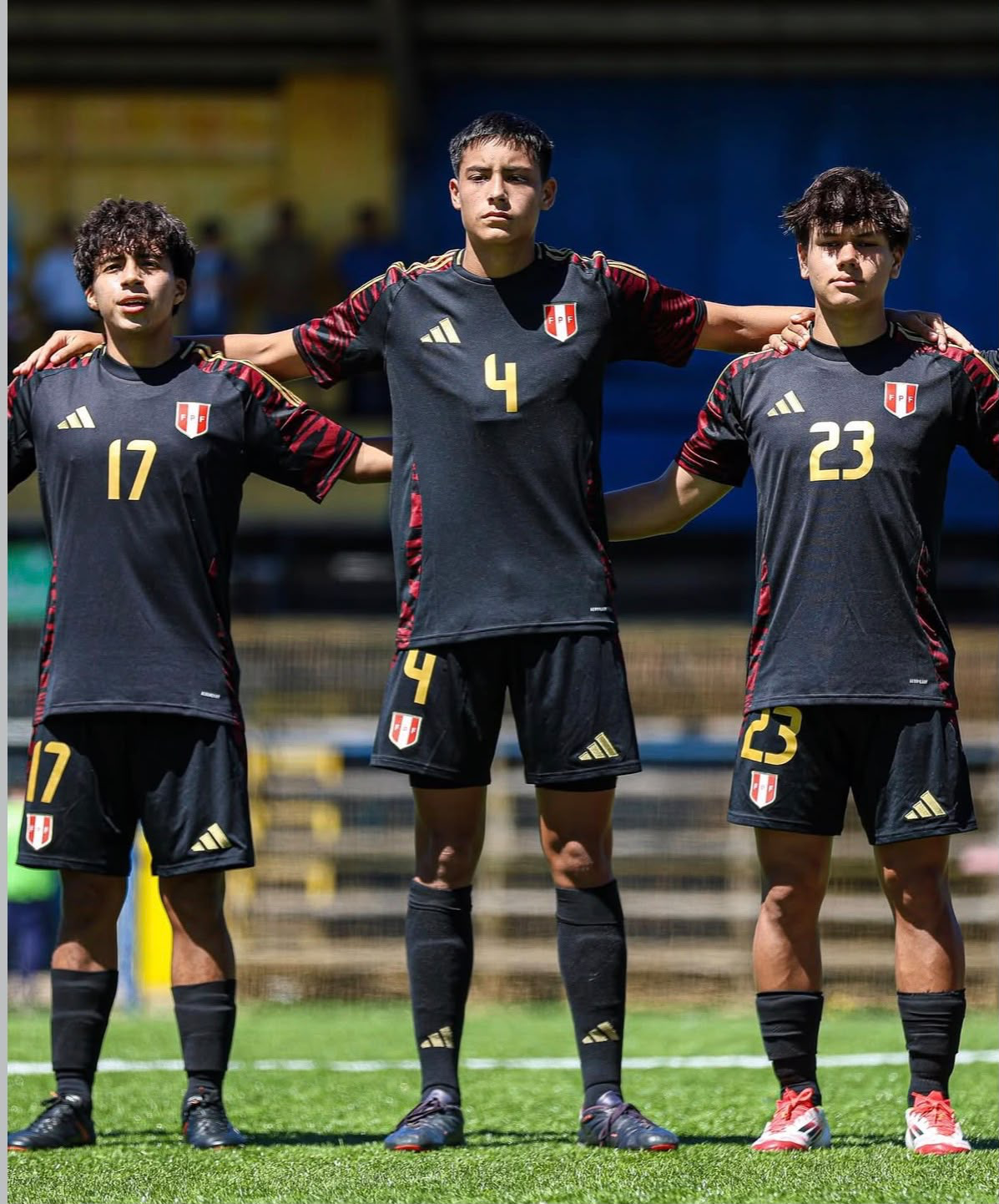
Pereda’s connection with Peru was already becoming evident before his current U-20 cycle.
In 2025, he was selected for Peru’s squad at the South American U-17 Championship in Colombia. At the time, he was listed among the team’s defenders and was one of the players competing for minutes in a generation that included several prospects from Alianza Lima and other Peruvian clubs.
He made his tournament debut against Paraguay, entering the match during the second half. Peru ultimately lost the game 5-0, but the experience represented an important milestone for Pereda: his first exposure to one of South America’s most competitive youth tournaments.
It also marked the beginning of a relationship with the Peruvian national team that has continued into the next age group.
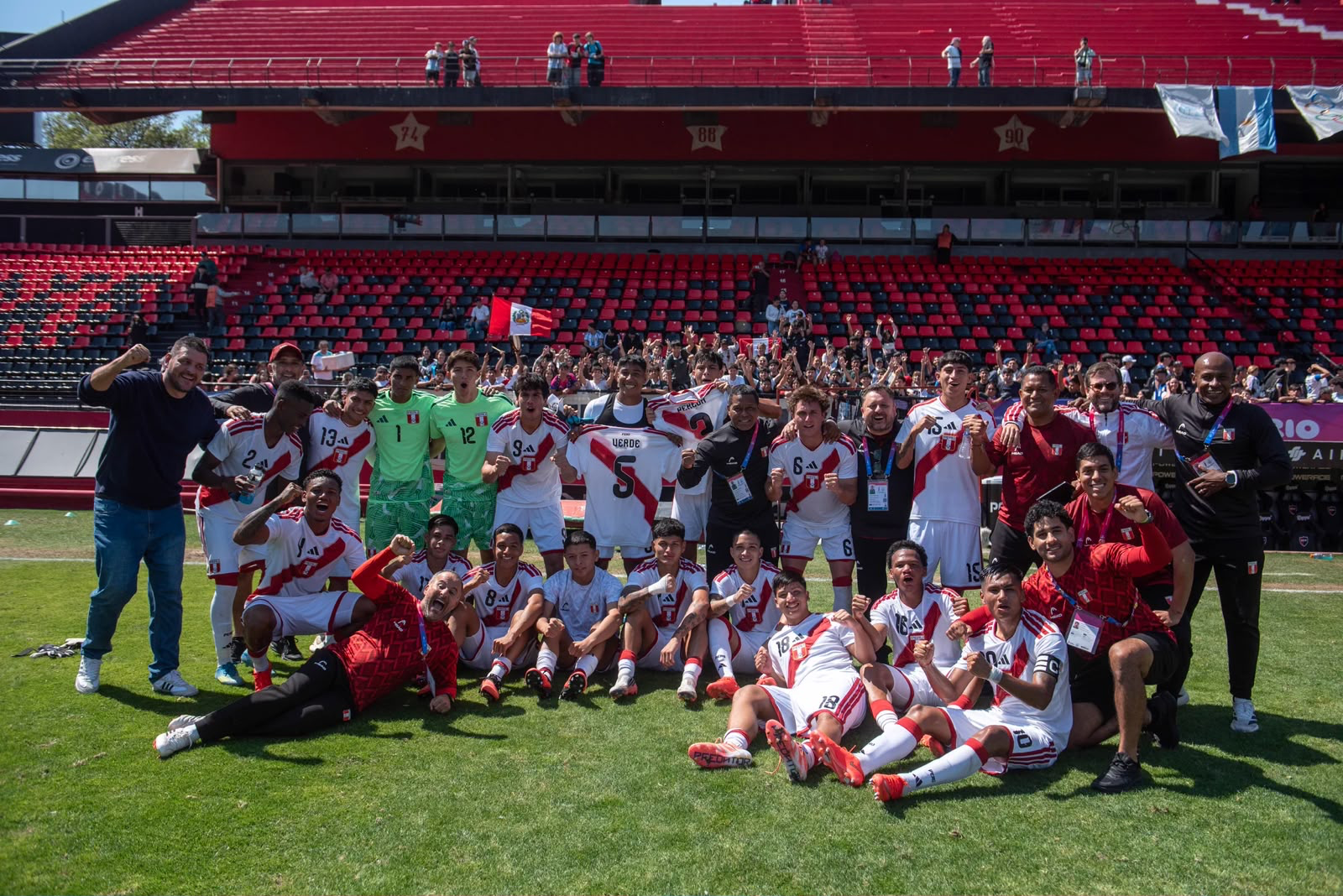
The latest chapter came at the 2026 South American Games in Argentina.
Pereda was selected for Peru’s U-20 squad as the team entered a tournament designed to provide another international test for a generation beginning to move toward the next U-20 cycle. Peru competed in a group alongside Colombia, Chile and Panama before advancing to the knockout stage.
The defender started Peru’s 2-0 victory over Chile in the group stage, lining up in the center of the defense. He was also part of the starting lineup in the semifinal against Argentina, where Peru suffered a narrow 1-0 defeat.
That sent Peru into the bronze-medal match, where the team responded by defeating Chile 2-1 and finishing on the podium.
For Pereda, it was another valuable international experience and the latest achievement in a pathway that has taken him from American youth soccer to representing Peru on a regional stage.
His first major international tournament came with Peru’s U-17 team. A year later, he was already part of the U-20 setup and helping the country earn a medal at the South American Games.
The progression is significant not because it guarantees where his career will go next, but because it shows how quickly a player can accelerate when a change in environment provides the right opportunity.
That opportunity came first in the United States, particularly at Queen City Mutiny, and then in Peru with Alianza Lima.
Now, at 18, he has already represented Peru at two different youth levels and returned from Argentina with a bronze medal. The next stage will be about continuing that development at club level and establishing himself as one of the defenders to watch within Alianza Lima’s growing pool of young talent.
Share this story
Help spread the word about youth soccer