
Mexico Announces U-17 World Cup Squad With Kimbrough and a Strong Mexican-American Presence
Mexico has announced its 21-player squad for the 2026 FIFA U-17 World Cup in Qatar. Da’vian Kimbrough headlines a group featuring several Mexican-American prospects, including Matthew Arana, Jonathan De La Fuente and goalkeeper Marcelo “Chelo” Ávalos, while Juan Martínez and Santiago Cisneros add further intrigue to Jürgen Castañeda’s selection.
Lucas Aguirre
Sports Journalist
Mexico has officially announced its 21-player squad for the 2026 FIFA U-17 World Cup in Qatar, with head coach Jürgen Castañeda selecting a group that combines domestic academy talent with several prospects developing in the United States and Europe.
One of the most interesting aspects of the announcement is the presence of four Mexican-American players: forward Da’vian Kimbrough, midfielder Matthew Arana, midfielder Jonathan De La Fuente, midfielder Juan Martínez, midfielder Santiago Cisneros and goalkeeper Marcelo “Chelo” Ávalos. Their inclusion highlights the growing importance of the cross-border talent pool in Mexico’s youth national-team structure.
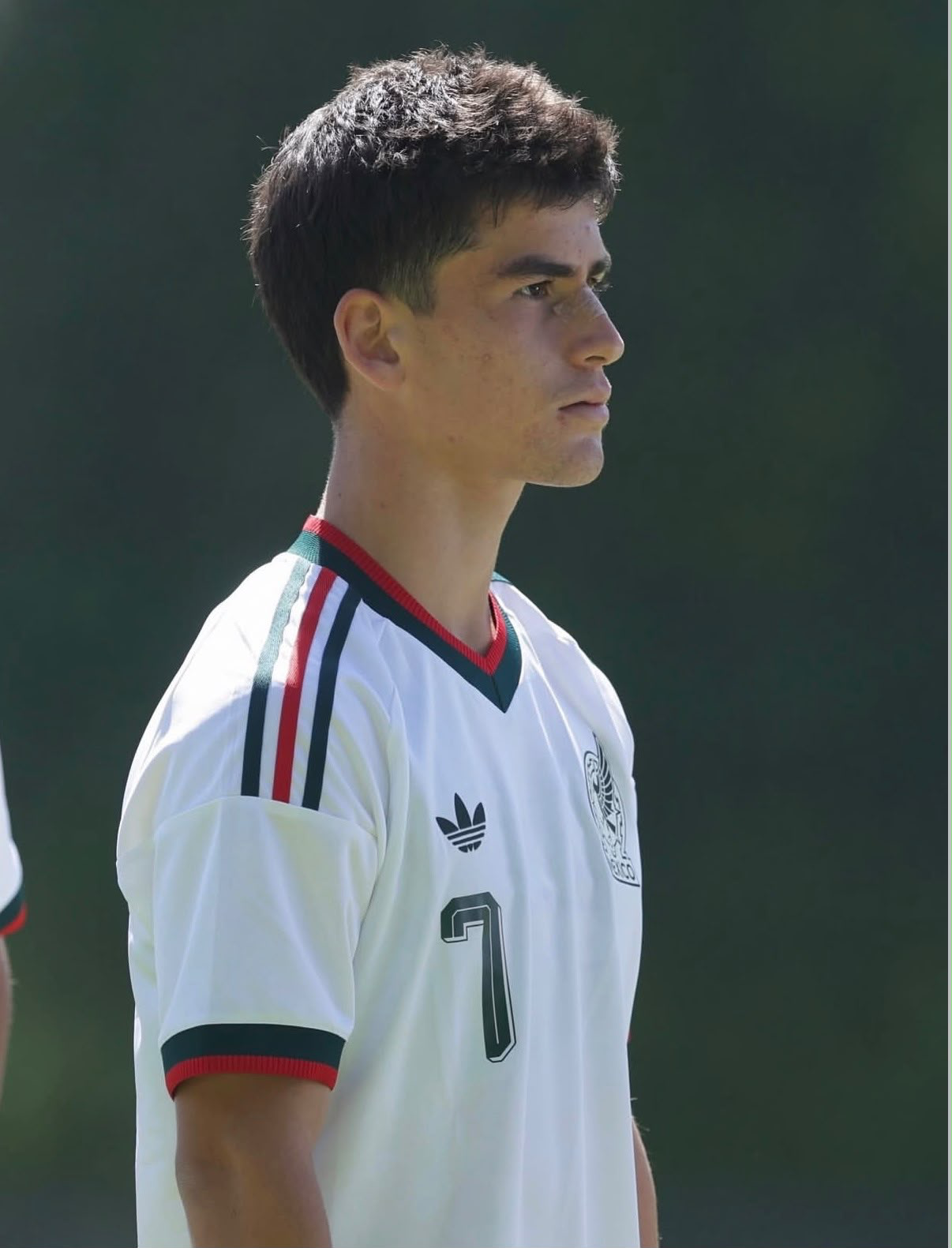
Kimbrough is arguably the most recognizable name among the players with connections to both countries. Born in California in 2010, the forward has represented both the United States and Mexico at youth level. He developed in the Sacramento Republic academy system before continuing his progression, and his selection means he will represent Mexico at the upcoming World Cup.
Arana is another major prospect to watch. Born in 2010 and raised in Houston, the midfielder joined the Houston Dynamo Academy in 2021 and progressed through the club’s development system. He made his first-team MLS debut in March 2026, becoming the youngest player to appear for Houston’s senior side. Comfortable operating as an attacking midfielder or on either wing, Arana brings technical quality, creativity and versatility to Mexico’s options.
Another player attracting attention is Juan Carlos Martínez Jr. Born in the United States in 2010, the Querétaro midfielder has already reached a significant milestone in his young career by making his Liga MX debut at just 16 years old. Before joining the Mexican club, he developed in the LA Galaxy academy, giving him experience in both American and Mexican soccer environments.
Santiago Cisneros is another standout name in the selection. The León midfielder was born in Tijuana in 2009 and holds Mexican and American nationality. He was included in The Guardian’s 2026 Next Generation list, which highlighted 60 of the most promising young footballers born in 2009 around the world.
Cisneros is an attacking-minded midfielder whose creativity and ability to operate between the lines make him an interesting prospect. His inclusion adds another highly regarded talent to a group that features several players with experience in different development systems.
De La Fuente, meanwhile, has developed within the Colorado Rapids system. The midfielder has progressed through the club’s academy and into its professional environment with Rapids 2, earning recognition from Mexico’s youth national-team staff along the way.
Ávalos completes the group. The San Jose Earthquakes academy goalkeeper is also Mexican-American and will provide another option between the posts. His inclusion is particularly notable because it demonstrates that Mexico’s recruitment across the border extends beyond attacking and midfield talent.
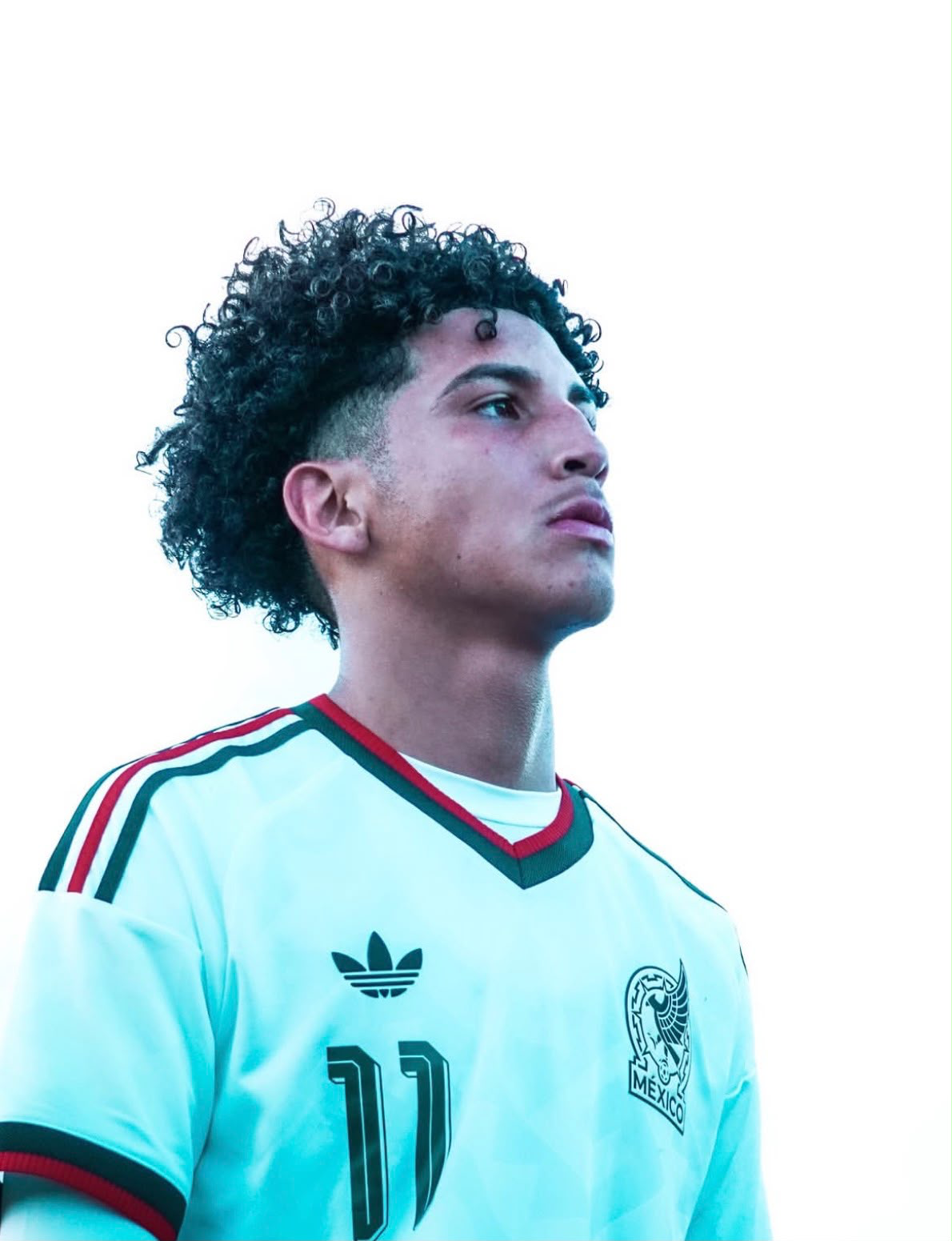
Mexico will compete in Group K alongside Romania, Cameroon and Venezuela. El Tri will open its campaign against Romania on November 21, face Cameroon on November 24 and close the group stage against Venezuela on November 27.
Before traveling to Qatar, the team will complete its final preparations in Dubai, where it is scheduled to play friendlies against Australia on November 10 and Ivory Coast on November 14.
Mexico enters the tournament with two previous U-17 World Cup titles, won in 2005 and 2011. The objective will be to compete for a third championship, with Castañeda relying on a generation that blends domestic development with an increasingly important group of Mexican-American prospects.
Share this story
Help spread the word about youth soccer