
Concacaf Introduces New U-17 World Cup Qualifying Format with 16-Team Tournaments
Concacaf is introducing a revamped qualification system for its men’s and women’s U-17 national teams in 2027. Both competitions will feature 16 teams divided into four groups, but the number of World Cup berths will differ: eight for the men’s tournament and four for the women’s competition.
Lucas Aguirre
Sports Journalist
Concacaf is preparing for a major restructuring of its youth national team competitions, introducing a new qualification format for both the men’s and women’s U-17 teams beginning in 2027. The changes will reshape the region’s pathway to the FIFA U-17 World Cup and FIFA U-17 Women’s World Cup, with a smaller qualifying field, a more streamlined tournament structure and the introduction of annual U-16 competitions.
Under the new system, both U-17 qualifying tournaments will feature 16 national teams divided into four groups of four. However, the qualification criteria will differ between the men’s and women’s competitions. The eight teams reaching the top two positions in each men’s group will secure World Cup berths, while only the four group winners in the women’s tournament will advance to the global competition.
The new format is part of Concacaf’s revamped youth national team calendar for the 2026-2029 cycle, announced in February 2026. The Confederation aims to create a more structured pathway for its member associations while providing additional competitive opportunities for young players across the region.

The 2027 Concacaf U-17 Qualifiers will take place in February, with the men’s tournament scheduled for February 8-14 in Honduras and Mexico. Sixteen national teams will compete for the region’s eight places at the 2027 FIFA U-17 World Cup.
The participating men’s teams are Barbados, Canada, Costa Rica, Cuba, the Dominican Republic, El Salvador, Guatemala, Haiti, Honduras, Jamaica, Mexico, Nicaragua, Panama, Puerto Rico, Trinidad and Tobago, and the United States. They will be divided into four groups of four, with each team playing three matches in a single round-robin format. The group winners and runners-up will qualify for the World Cup.
The women’s competition will follow the same four-group structure but will offer four World Cup spots. Scheduled for February 1-7, 2027, the tournament will be hosted by Costa Rica and the Dominican Republic. Its 16 participants are Bermuda, Canada, Costa Rica, Cuba, the Dominican Republic, El Salvador, Guatemala, Guyana, Haiti, Honduras, Jamaica, Mexico, Nicaragua, Panama, Puerto Rico, and the United States. After three group-stage matches, only the four group winners will earn qualification for the FIFA U-17 Women’s World Cup.
The two tournaments will therefore share the same basic structure, but the difference in the number of available World Cup berths will make the qualification race particularly demanding on the women’s side.
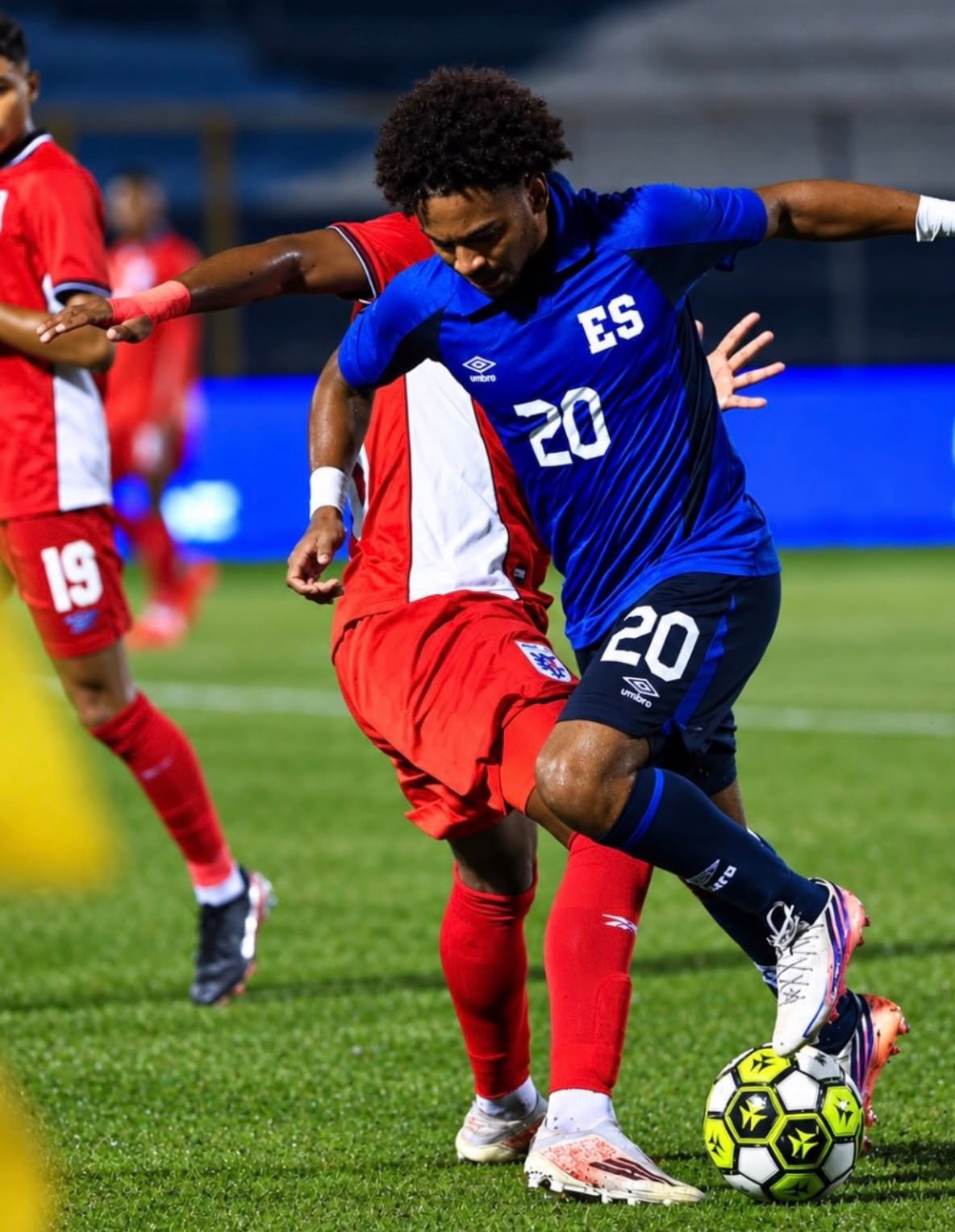
One of the most significant changes will take place one age group below. Beginning in 2027, Concacaf will replace its biennial boys’ and girls’ U-15 competitions with annual U-16 tournaments, which will serve as a qualification pathway to the U-17 Qualifiers.
The new U-16 competitions are expected to take place between August and September and will feature member associations ranked from ninth to 41st in the respective Concacaf rankings. These teams will be divided into eight groups of up to five nations, with each group winner earning a place in the following U-17 qualifying tournament.
Those eight qualifiers will join the eight highest-ranked member associations, creating a 16-team field. This means that, starting in 2028, the U-17 Qualifiers will combine the region’s top eight-ranked nations with the eight winners of the U-16 competitions.
The 2027 editions will serve as a transition into the new system. For that first year, the 16 participants in both U-17 competitions have been determined by their performances in the 2026 Concacaf U-17 Qualifiers. From 2028 onward, the new U-16 pathway will become part of the qualification process.
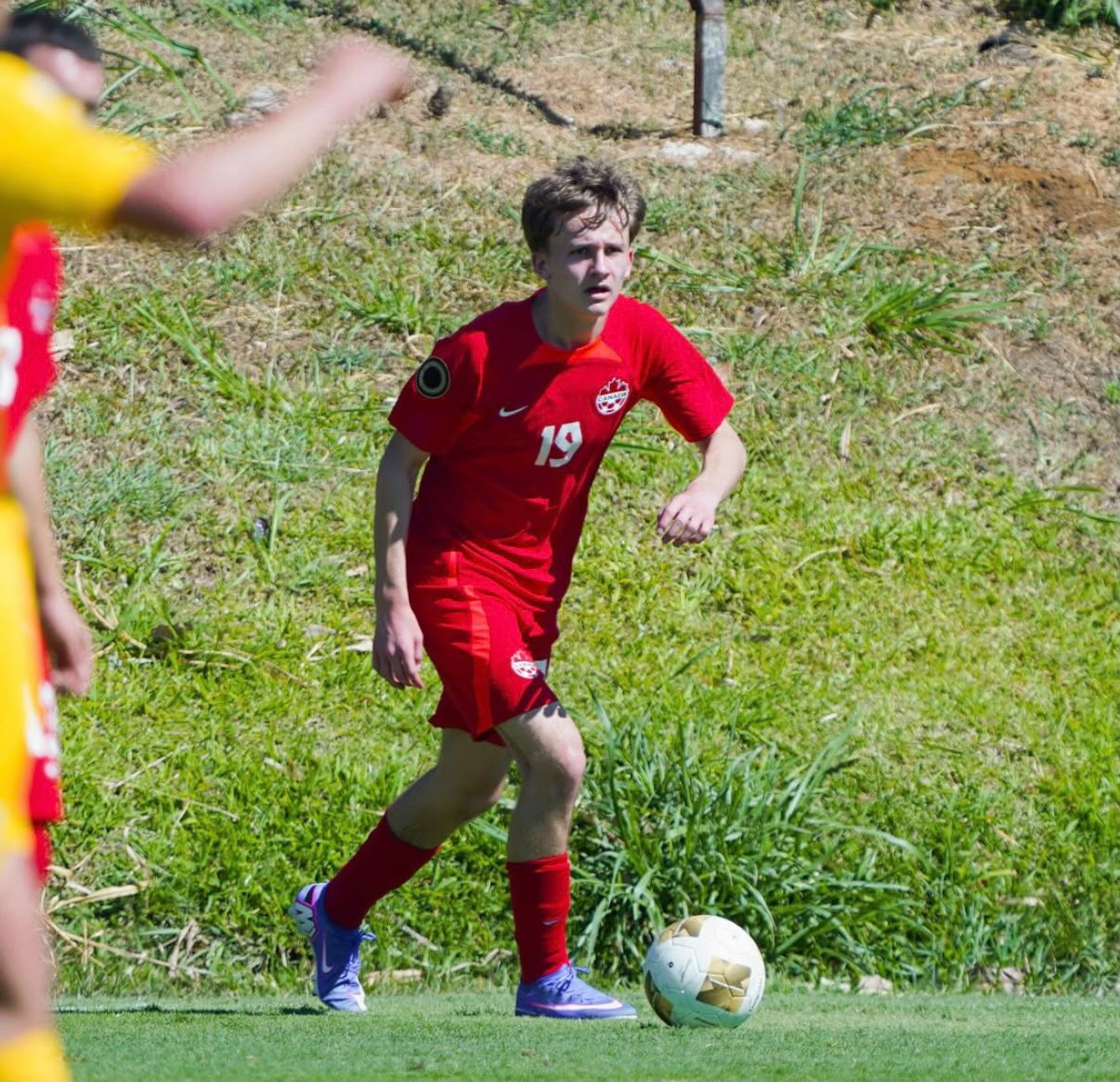
With the participating teams confirmed, the next step will be the official draws. The women’s U-17 Qualifiers draw is scheduled for November 18, 2026, at 11:00 a.m. ET, while the men’s draw will take place on November 19 at the same time.
The women’s teams have been divided into four pots based on the Concacaf Women’s U-17 Rankings as of November 2026. The United States, Mexico, Canada and Costa Rica headline Pot 1, while Puerto Rico, El Salvador, Haiti and the Dominican Republic are in Pot 2. Pot 3 includes Panama, Honduras, Nicaragua and Jamaica, with Bermuda, Cuba, Guatemala and Guyana completing Pot 4.
On the men’s side, the pots are based on the Concacaf Under-17 Rankings as of February 14, 2026. Mexico, the United States, Canada and Panama are the four top seeds, followed by Costa Rica, El Salvador, Honduras and Haiti in Pot 2. Puerto Rico, Nicaragua, Jamaica and the Dominican Republic are in Pot 3, while Barbados, Guatemala, Trinidad and Tobago and Cuba occupy Pot 4. The draw will also ensure that co-hosts Honduras and Mexico are placed in separate groups.
The new system will also create different competitive challenges for each age group and association. For nations outside the top eight, the U-16 competitions will become an important opportunity to reach the U-17 stage, while the established regional contenders will have to maintain their positions to avoid an additional qualifying round.
With the first edition of the revamped U-17 Qualifiers approaching in February 2027, the upcoming draws will provide the first look at how the new format will take shape on the field.
Share this story
Help spread the word about youth soccer