
A New Dawn for College Soccer
U.S. Soccer’s NexGen Committee has proposed a groundbreaking shift to a full academic-year college soccer season starting in fall 2026. The change would modernize the game, improve player development, and better align U.S. soccer with global standards.
Lucas Aguirre
Sports Journalist
The winds of change are blowing through American college soccer — and this time, it’s not just a tweak to the format. It’s a revolution.
A U.S. Soccer–backed committee, known as the “NexGen College Soccer Committee,” has officially recommended a landmark overhaul that would shift men’s college soccer to a full academic-year season beginning in fall 2026. The goal? To modernize the college game, improve player development, and finally align it with the global calendar. If approved by the NCAA, this would be one of the most transformative moves in the sport’s history — not just for college soccer, but for the American soccer ecosystem as a whole.
For decades, college soccer has been stuck in a grueling, condensed fall format. Players juggle heavy academic loads with three matches a week, leaving little time for recovery or proper training. Coaches struggle to implement tactical systems or long-term development plans. Scouts often view the college level as disconnected from the rhythm of the professional game. It’s a system that has produced flashes of brilliance — think Clint Dempsey, Walker Zimmerman, and Daryl Dike — but rarely the sustained, technical growth seen in Europe or South America.
That’s exactly what this new model hopes to change.
Under the proposal, the college soccer calendar would mirror the structure of the world’s top development environments:
-
Season Length: August to April, with a built-in winter break for recovery, academics, and personal development.
-
Competition Format: Teams would compete regionally and in performance-based tiers — creating a uniquely American twist on promotion and relegation that ensures every match has stakes.
-
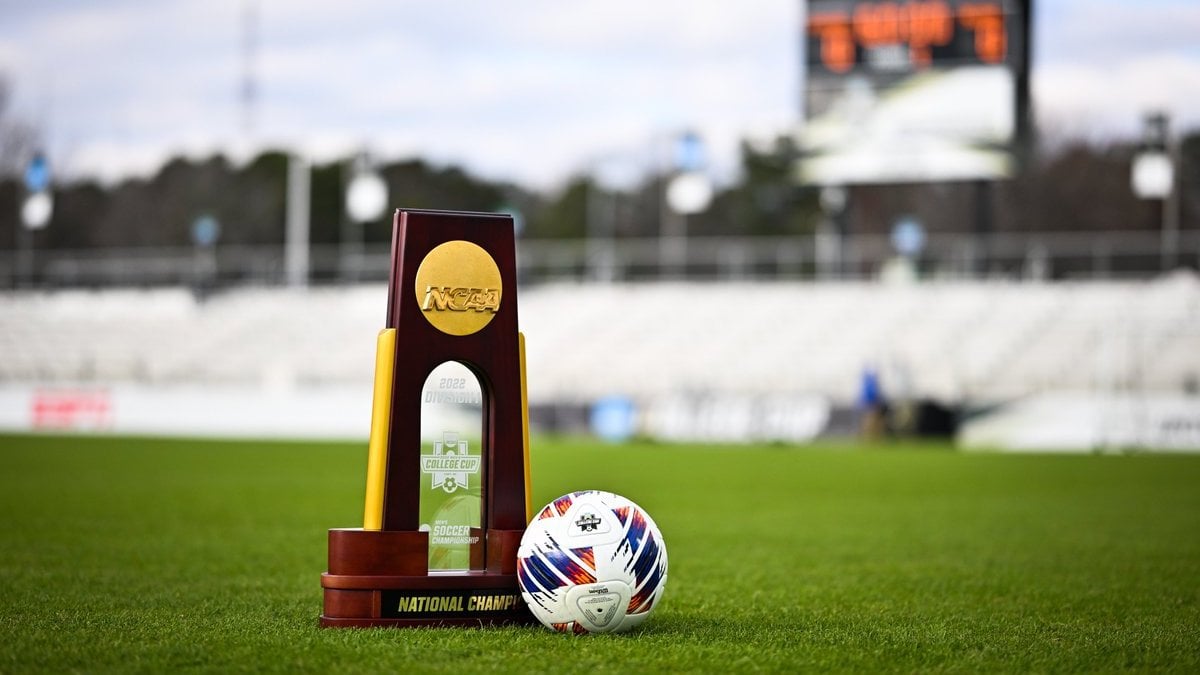
NCAA Tournament: The crown jewel of the college game would move to May, giving the tournament the national spotlight it deserves while avoiding overlap with football and basketball seasons.
-
Player Eligibility: A progressive new “second chance” policy would allow players who turn pro early — but later return to college — to regain eligibility and continue their education while playing.
The potential ripple effects are massive. For one, the extended season provides players with consistent competition and meaningful development windows — far closer to the training-to-match balance seen in professional academies. For scouts and MLS NEXT Pro teams, it creates a more accurate picture of player growth over time. For universities, it offers new marketing opportunities, expanded fan engagement, and alignment with the growing cultural momentum around soccer in the U.S.
And for the players? It means less burnout, more rest, and more time to become the athletes — and people — they aspire to be.
While the immediate focus is on the men’s game, U.S. Soccer has made it clear that a parallel recommendation for women’s soccer is on the horizon. With the explosion of professional opportunities — from the NWSL’s forthcoming second division to the introduction of WPSL Pro — the women’s game is entering a golden era. Collectively, these leagues will add over 1,000 new professional roster spots, creating a more complete and competitive pyramid than ever before.
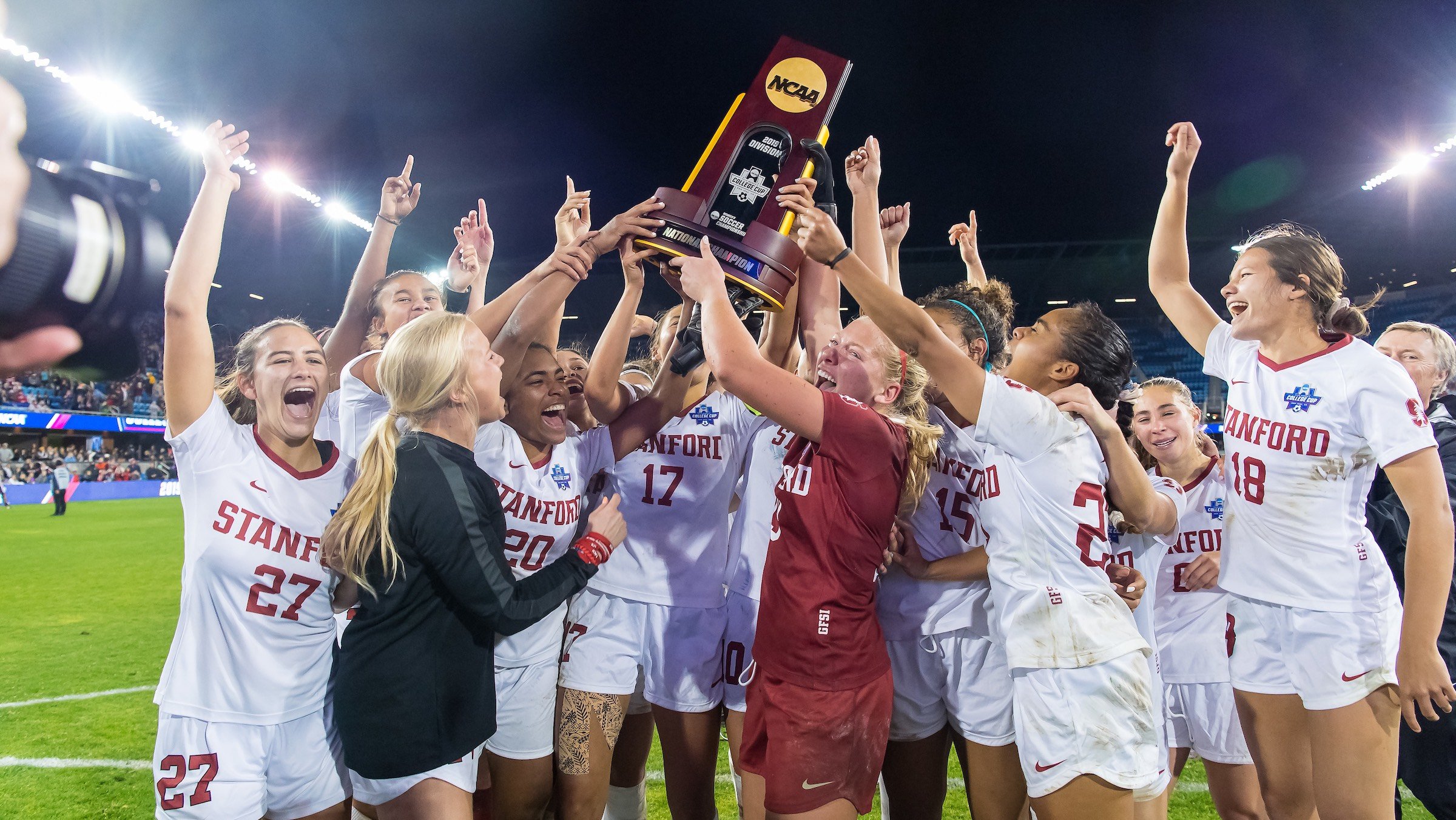
If implemented, the NexGen proposal could bridge the long-standing gap between college and professional soccer — transforming the NCAA from a standalone system into a powerful developmental link within the U.S. player pipeline.
It’s a vision that balances tradition with progress, education with excellence.
And as the world’s eyes turn toward North America ahead of the 2026 FIFA World Cup, there may be no better time to reshape the foundation of how America develops its next generation of stars.
College soccer isn’t just changing. It’s evolving — into something that finally feels ready for the global stage.
Share this story
Help spread the word about youth soccer