
Three Divisions, One Pathway: How USL Is Redefining the American Pro Game
The launch of USL Premier and a unified three-division structure marks the most serious move toward a merit-based professional pathway in U.S. soccer, reshaping how clubs, players, and fans experience competition and opportunity.
Leo Santos
Sports Journalist
The United Soccer League has taken a defining step in reshaping the American professional soccer landscape. With the official announcement of USL Premier as the name of its future Division One men’s league, the organization also revealed a fully integrated three-division structure designed to connect ambition, performance, and opportunity across the professional game.
This move is not a cosmetic rebrand. It is a structural commitment to a clearer, more accountable pathway — one built to reward results and align long-term growth with on-field performance.
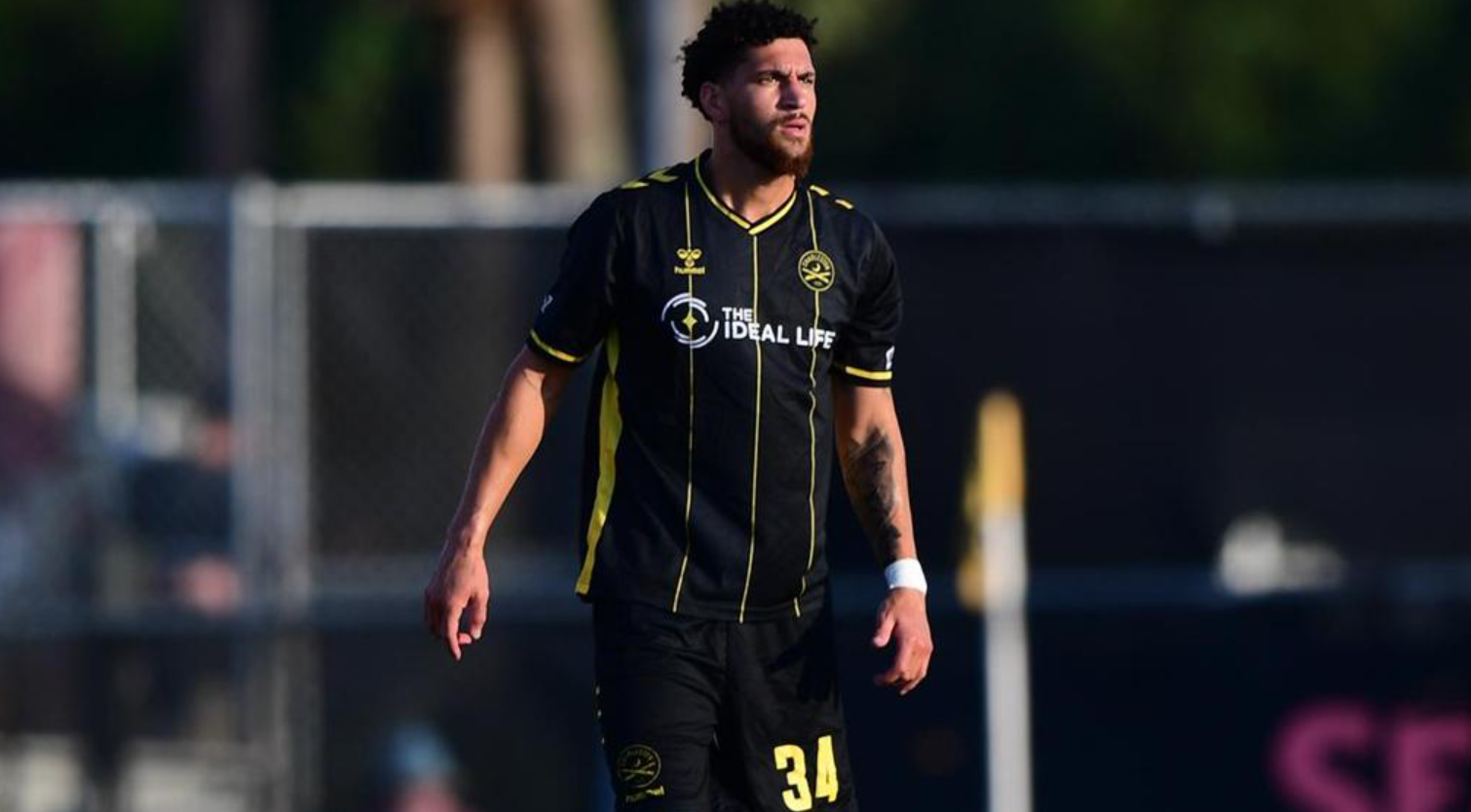
Under the new framework, USL Premier will operate as a single national Division One competition, targeting 20 clubs over time and scheduled to launch in 2028. Beneath it, the USL Championship will also shift to a single national table with 20 clubs, reinforcing competitive consistency and expanding national relevance. USL League One will continue to grow across the country while organizing competition regionally, allowing clubs to reduce travel demands, deepen local rivalries, and build sustainable community support.
For the first time, these divisions will not exist in isolation. Instead, they will function as a unified professional pathway, vertically connected by performance rather than protected by status.
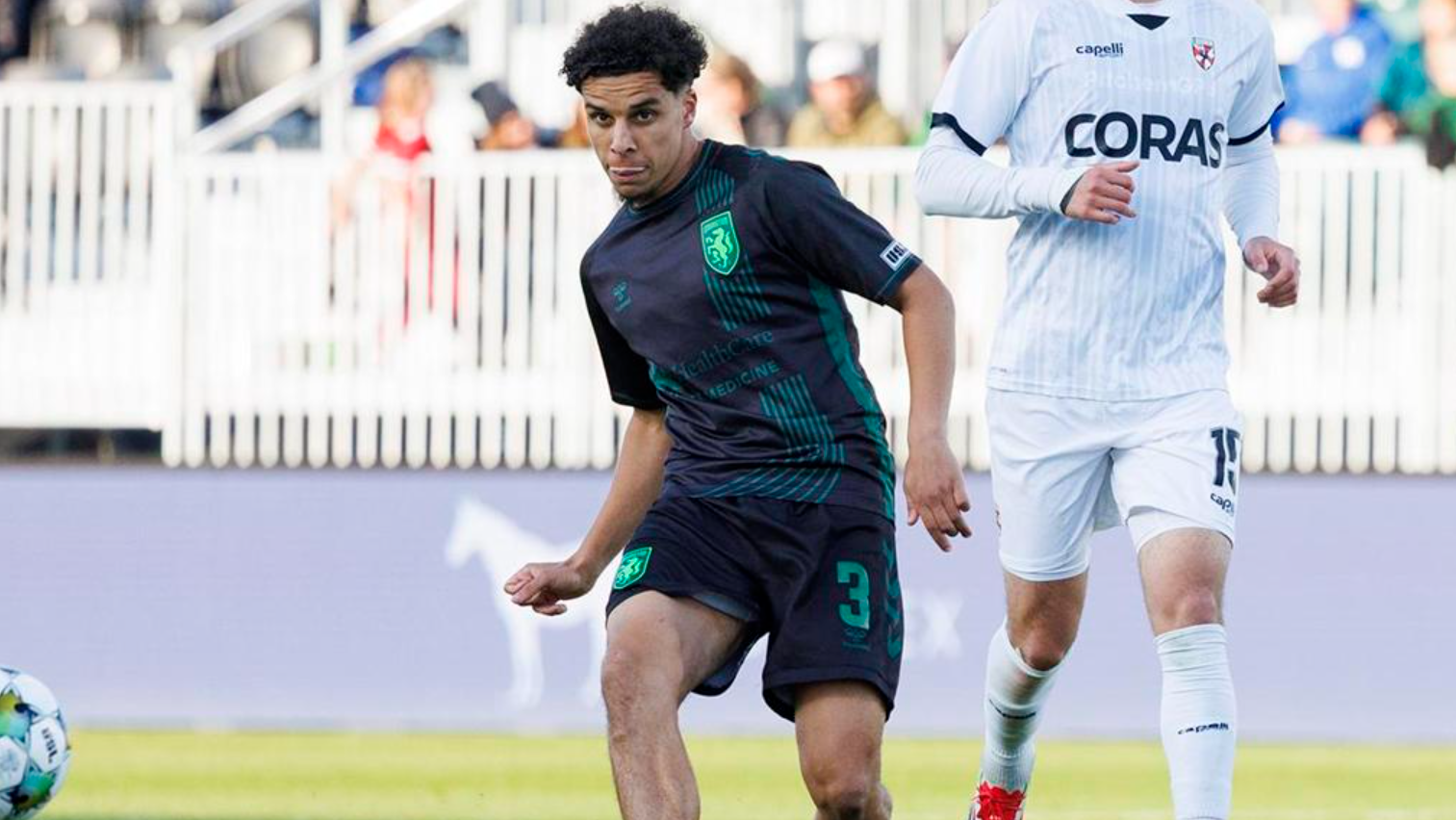
The most significant change arrives alongside this structure: the introduction of promotion and relegation. As USL Premier comes online, the league plans to implement America’s first merit-based promotion and relegation system across its men’s professional divisions. Club status will no longer be static. Performance will determine movement, making every match meaningful and every season consequential. This shift raises the competitive floor across all levels, forcing clubs to plan, invest, and develop with urgency rather than comfort.
For the next generation of players, this clarity matters. Young professionals need more than contracts — they need environments where development and results are directly connected. A unified USL pathway creates more meaningful minutes, encourages clubs to invest in internal player development, and establishes a visible route upward that does not require leaving the league ecosystem to advance. Strong performances at the Division Three level can now translate into tangible progression rather than stalled potential.
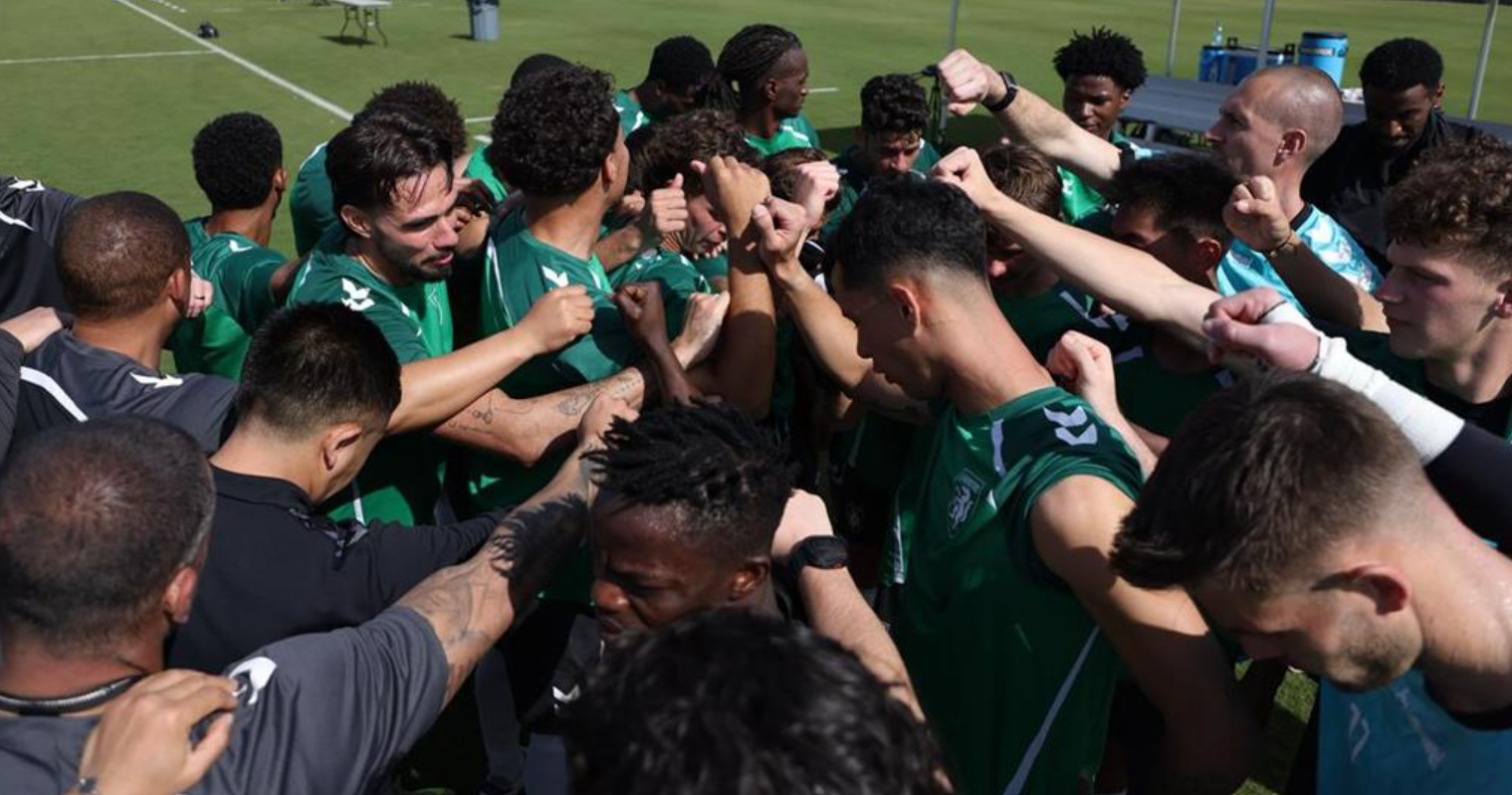
The pressure created by promotion and relegation also elevates standards across the board. When relegation is possible, complacency disappears. Coaching quality, recruitment strategy, sports science, and roster planning all become non-negotiable. Every decision carries weight, and that accountability raises the overall level of competition from top to bottom.
For fans, the impact is just as direct. Seasons gain narrative weight through promotion races, relegation battles, and local rivalries that carry national consequences. Instead of disconnected campaigns, the calendar becomes a continuous story where loyalty, performance, and ambition are rewarded.
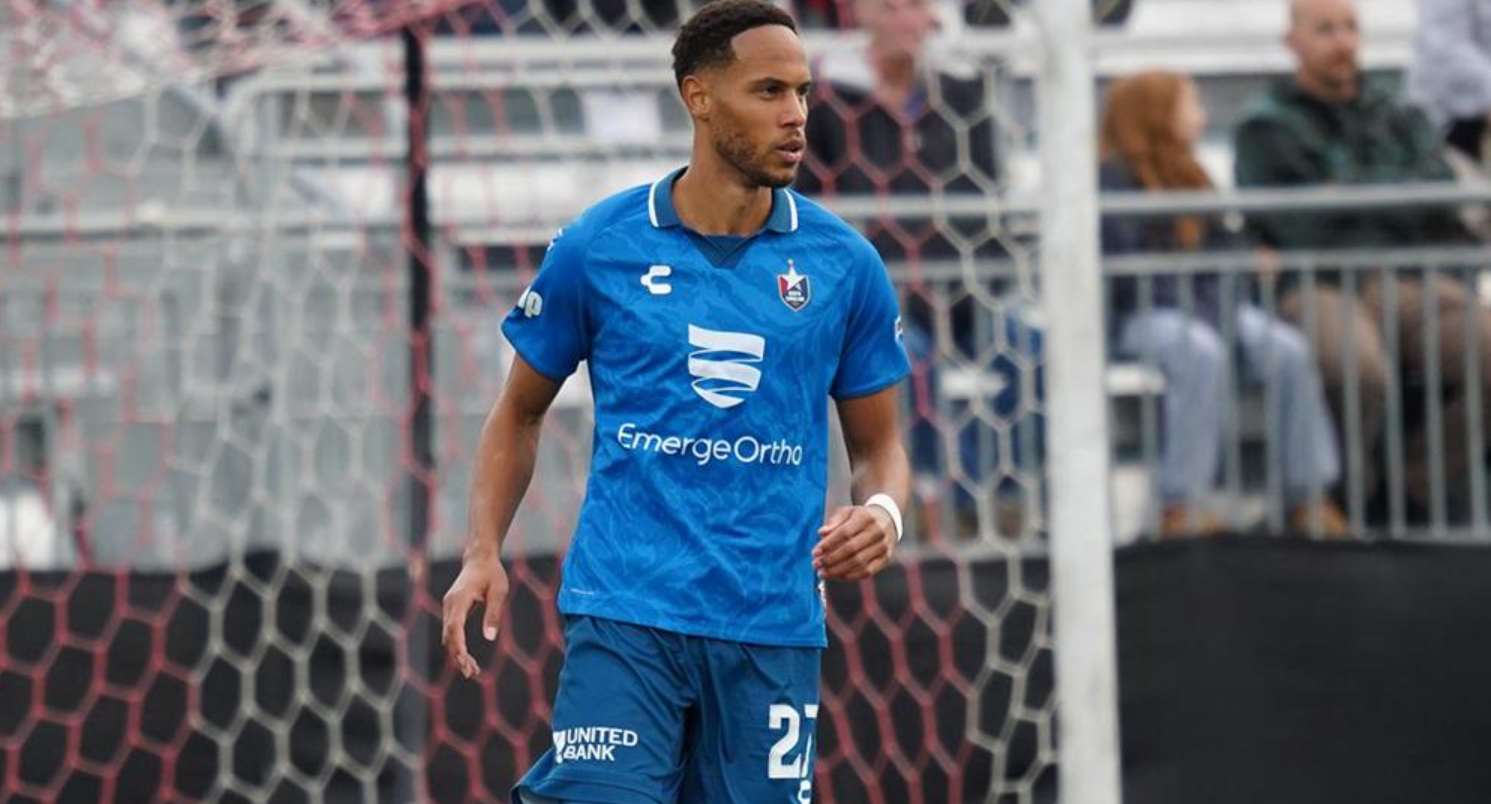
This is not an attempt to replicate European soccer culture. It is a response to a uniquely American problem: a professional system that has often lacked consequence, continuity, and connection. The USL is betting that linking divisions through performance — rather than protecting them through structure alone — will create a healthier, more compelling ecosystem.
By 2028, USL Premier is not simply intended to exist as a top division. It is designed to anchor a professional pyramid where Division Three matters as much as Division One because each level feeds the next.
Share this story
Help spread the word about youth soccer