
Concacaf Quartet Secures 2026 U17 Women’s World Cup Spots
For Puerto Rico, this is a defining moment: the nation will make its first-ever appearance at a FIFA World Cup — across both men’s and women’s competitions — marking a historic breakthrough on the global stage.
Leo Santos
Sports Journalist
The United States, Mexico, Canada, and Puerto Rico have officially qualified for the 2026 FIFA U-17 Women's World Cup, set to take place in Morocco this November. All four nations secured qualification through the Concacaf U17 Women’s Qualifiers, reinforcing the region’s growing depth in the girls’ pathway.
For Puerto Rico, this is a defining moment: the nation will make its first-ever appearance at a FIFA World Cup — across both men’s and women’s competitions — marking a historic breakthrough on the global stage.
The Competitive Landscape
-1774372277522.jpg)
The U.S., Mexico, and Canada enter as established pipeline programs with consistent youth national team integration and professional pathways feeding into senior squads. Puerto Rico’s emergence disrupts that hierarchy, signaling a broader competitive spread within Concacaf.
Qualification at this level is not just about results — it reflects federation investment, scouting reach, and alignment between youth and senior development models.
Why This Matters
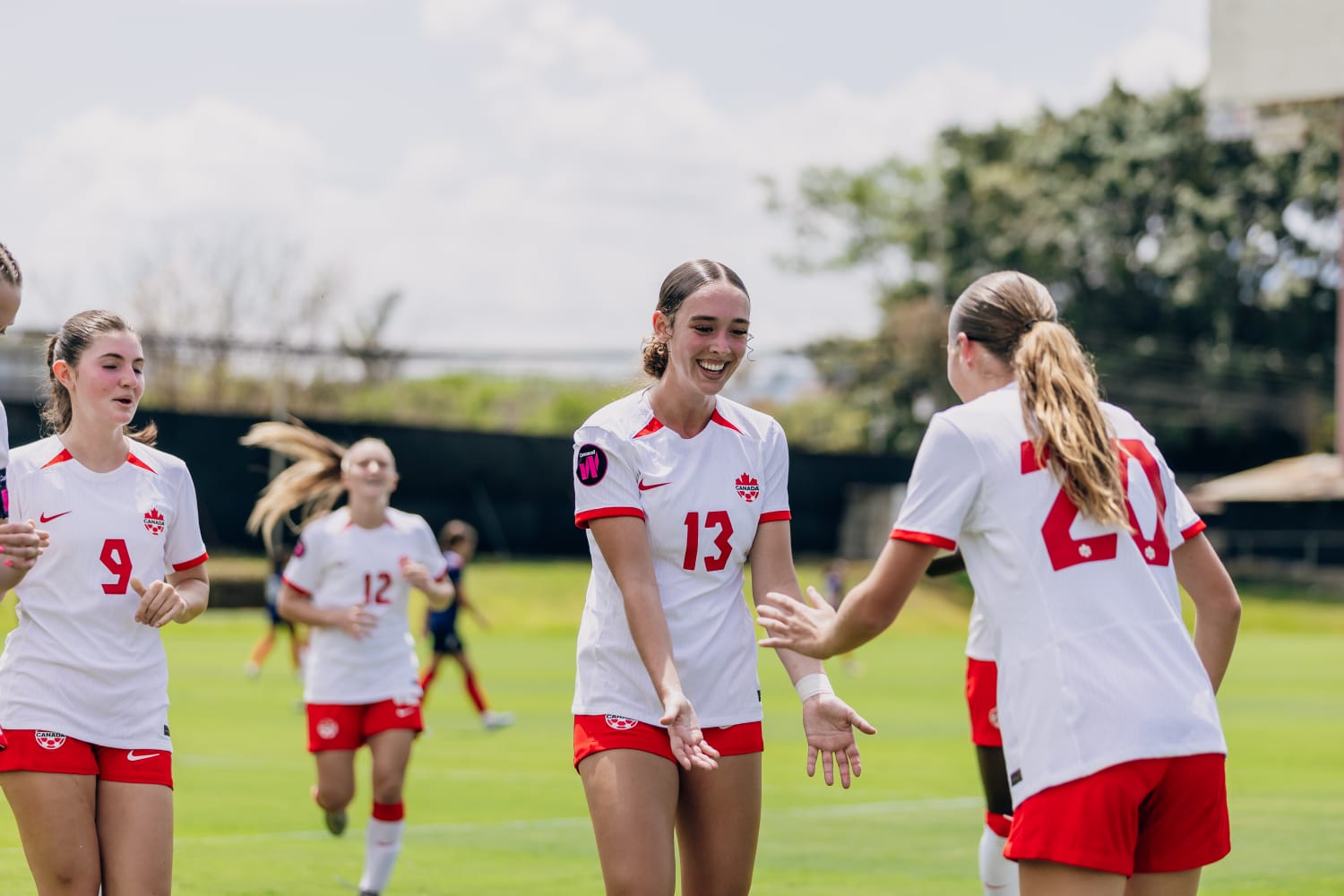
Four nations qualifying reinforce that the pathway is widening. More players from the region are gaining exposure to elite international competition earlier — critical for long-term progression.
Puerto Rico qualifying validates that non-traditional programs can close the gap with targeted investment and structured development. This is a signal to smaller federations: the pathway is no longer exclusive.
Tournaments like the FIFA U-17 Women's World Cup accelerate scouting timelines. Strong performances can fast-track players into professional environments or senior national team consideration.
For established powers like the United States and Canada, the margin is shrinking. Increased competition within Concacaf raises the standard — and forces continuous evolution in development models.
The Takeaway
-1774372348581.jpg)
This isn’t just a qualification — it’s a shift in the ecosystem. Concacaf’s girls’ pathway is deepening, and the gap between traditional and emerging programs is tightening. With Morocco on the horizon, the next step is clear: which of these nations can translate qualification into global impact — and which players use this stage to redefine their trajectory?
Share this story
Help spread the word about youth soccer