
Free Entry, Real Culture: Philadelphia Sets Standard For World Cup Fan Fests
With top-ranked nations such as Brazil, France, and Croatia expected to feature, this won’t be a symbolic gesture or a scaled-down activation. It will be a full-scale World Cup experience, open to the public, without a ticket barrier.
Leo Santos
Sports Journalist
The FIFA World Cup Philadelphia Host Committee has officially confirmed it will not charge fans to attend its World Cup Fan Fest this summer. At a time when several host cities are introducing paid entry for Fan Fests for the first time in tournament history, Philadelphia is choosing a different path — one rooted in access, culture, and long-term growth.
With top-ranked nations such as Brazil, France, and Croatia expected to feature, this won’t be a symbolic gesture or a scaled-down activation. It will be a full-scale World Cup experience, open to the public, without a ticket barrier.
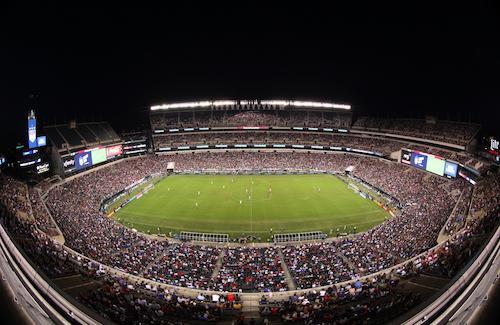
A Shift To The Fan Fest Model
World Cup Fan Fests have traditionally been designed as free, open-access spaces — places where cities invite the public into the global culture of the tournament. They functioned as entry points, not premium products.
That model is changing. In this World Cup cycle, multiple Host Committees have announced plans to charge fans for Fan Fest access, reframing these events as curated entertainment experiences rather than public football gatherings. The shift signals a broader trend toward monetization at the earliest points of fan engagement.
Philadelphia’s decision to keep its Fan Fest free is a deliberate rejection of that trend.
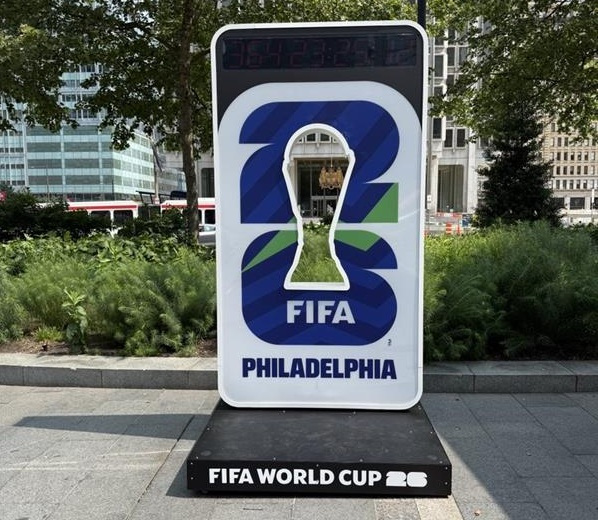
Keeping Football Accessible
Charging for Fan Fests introduces a filter that disproportionately affects young fans, families, and first-time supporters. When access requires a purchase, attendance becomes a calculated decision rather than a spontaneous one.
By removing the cost barrier, Philadelphia allows teens, college students, and young adults to engage with the World Cup organically. Families can attend without turning a cultural moment into a budget conversation. Casual fans can walk in, experience the atmosphere, and leave with a deeper connection to the sport.
Accessibility is not a side benefit — it is how football culture actually spreads.
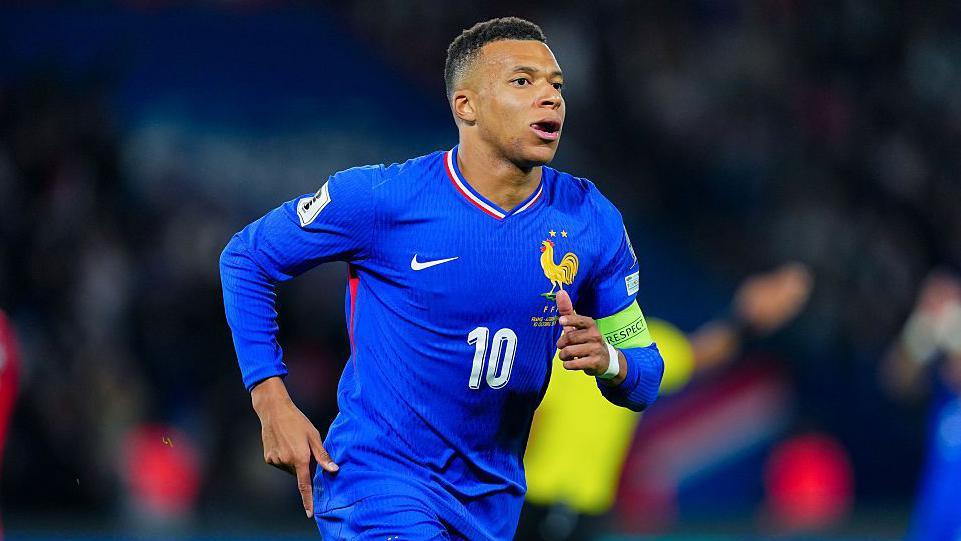
Signaling The Right Values Ahead Of 2026
The 2026 World Cup is widely viewed as a defining opportunity for soccer in the United States. But growth moments only translate into lasting impact if they remain open to the public.
By choosing access over monetization, Philadelphia sends a clear message about what kind of football culture it wants to promote. This approach directly challenges the lingering perception that soccer in the U.S. is expensive, exclusive, or limited to certain communities.
Free entry reinforces the idea that football belongs to everyone — not just those willing or able to pay for proximity to the game.

Creating Real Entry Point To The Sport
Fan Fests are more than watch parties. They are often the first touchpoint between the sport and a new generation of players and fans. For young people in particular, seeing global powers like Brazil, France, or Croatia in a shared public setting can be transformative.
These environments inspire kids to join local clubs, encourage parents to explore the sport for their children, and give casual fans a reason to engage more deeply. Those outcomes are far less likely when access is restricted.
Free, public football spaces help build the grassroots foundation that elite pathways ultimately depend on.
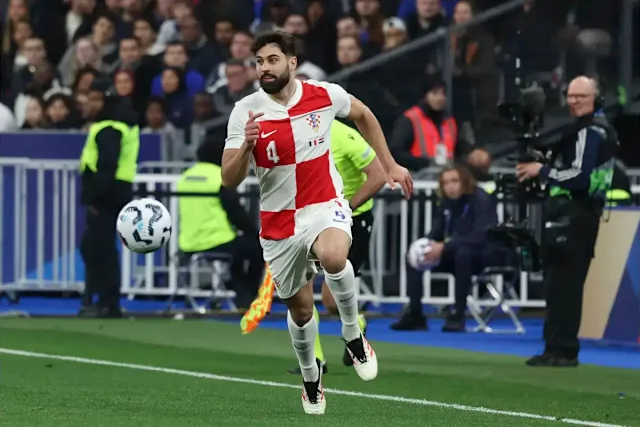
The Bigger Picture
Philadelphia’s decision reflects a broader philosophy about growth and sustainability. In an era of accelerating commercialization, the city is prioritizing long-term cultural development over short-term revenue.
It is choosing to invest in shared experiences, public access, and organic fandom. As the U.S. prepares for the 2026 World Cup, those choices matter. They shape who feels welcome in the sport — and who sees a future in it.
If the goal is to build a deeper, more authentic soccer culture for the next generation, this is what that commitment looks like.
Share this story
Help spread the word about youth soccer