
MLS’s Calendar Makeover Could Level Up U.S. Soccer's Pipeline
By matching the world calendar, MLS clubs will finally operate on the same transfer rhythm as Europe. For youth players, this is massive.
Leo Santos
Sports Journalist
Major League Soccer is officially shaking up the American soccer calendar — and it’s not a small tweak. Starting in 2027, MLS will switch to a summer-to-spring schedule, lining up with the major leagues in Europe and South America for the first time in league history. The league and the MLS Players Association are still ironing out the transition details, but the vote is in, and the change is happening.
The new era of MLS kicks off with the 2027-28 season, which will open in mid-to-late July and wrap up with the Audi MLS Cup Playoffs and MLS Cup in late May. Like most global leagues, MLS will also build in a winter break — no matches from mid-December to early February.
Before all that, the league will run a special transition season from February to May 2027, featuring a shorter 14-game schedule and playoffs. Those results will shape qualification for the U.S. Open Cup, Canadian Championship, Leagues Cup and Concacaf Champions Cup.

Why MLS Is Doing This — And Why It Matters for U.S. Youth Development
The decision wasn’t rushed. It came after a two-year review involving owners, players, fans and league execs. And the research was clear: 92% of soccer viewers wanted this change. But beyond fan opinion, this overhaul has huge implications — especially for young American players climbing the MLS pipeline.
By matching the world calendar, MLS clubs will finally operate on the same transfer rhythm as Europe.
For youth players, this is massive. Homegrown and academy kids will have smoother pathways into Europe if opportunities arise, MLS teams can integrate new young signings earlier in the year instead of scrambling mid-season, and MLS NEXT and MLS NEXT Pro players entering the first team won’t be thrown into mid-season chaos.
It's not just the exporting factor that's a plus, but also the import of young talent. Most big global transfers happen in the summer, and with MLS starting in July, young players signed during that window can get a full preseason with their club, break into lineups at the very start of a season to immediately compete for MLS minutes, Leagues Cup roles, and continental tournaments.
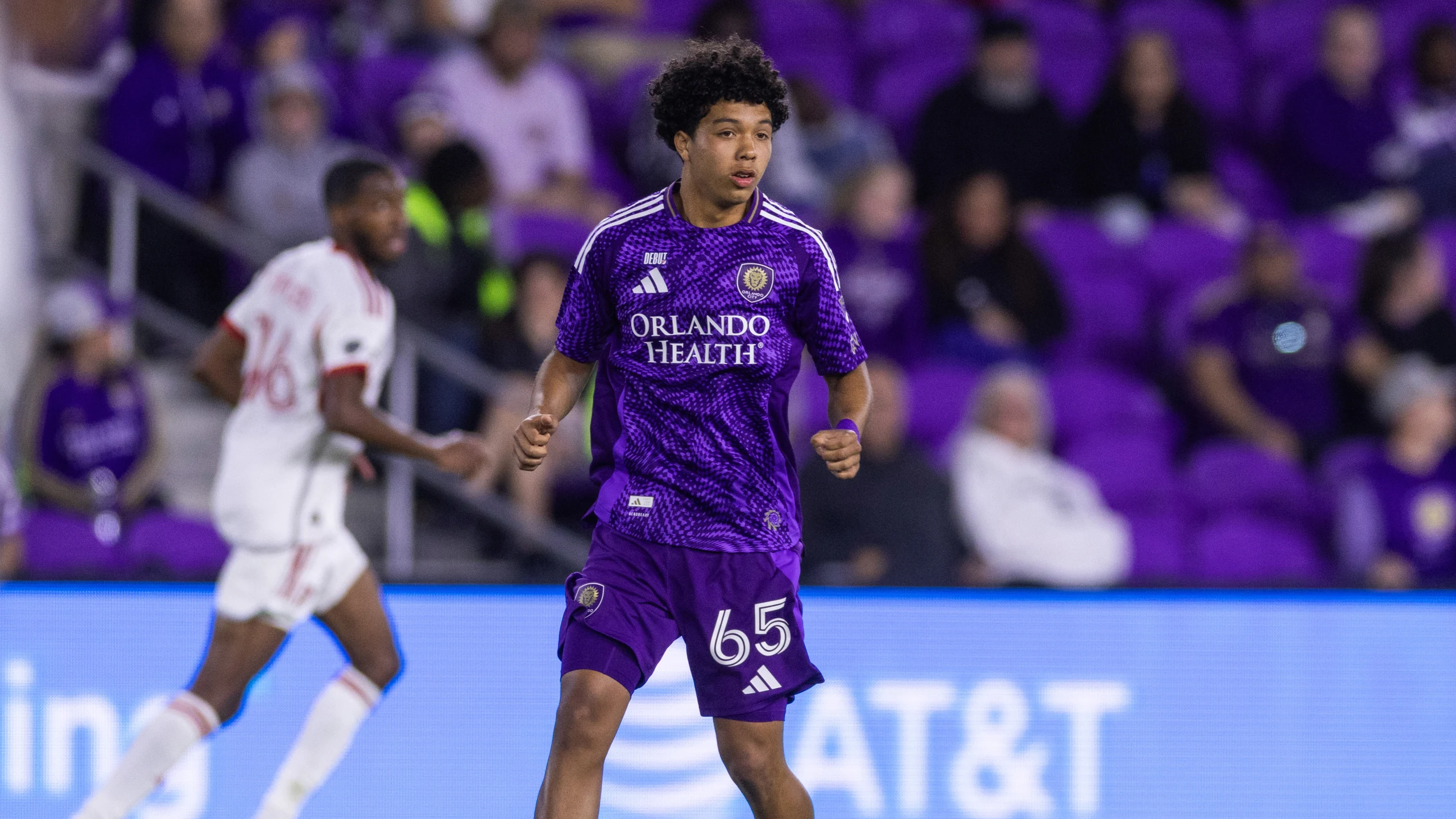
This is especially important for rising dual-nationals and high-ceiling teenagers who need consistent minutes to stake claims for youth national teams.
The new calendar also reduces clashes with FIFA international windows — meaning fewer moments where promising MLS teens miss key league games or MLS NEXT Pro reps because they’re away with U.S. U-17s, U-20s, or even the senior squad.
Starting the playoffs in May places MLS’s biggest games in high-visibility months without interruptions — perfect for young players breaking out on a big stage. This can lead to multiple outcomes, such as Cavan Sullivan-type teens shining in knockout games and late-season surges from 18-19-year-olds getting prime spotlight.
What This Means for MLS NEXT, MLS NEXT Pro, and the Academy Ecosystem
MLS confirmed that MLS NEXT Pro is part of the ongoing conversations, and youth development remains a big factor in the transition. While exact plans aren't finalized, the shift could mean alignment of NEXT/NEXT Pro calendars with first-teams, clearer pathways for mid-season promotions, easier scheduling for tournaments like GA Cup and youth national team call-ups, and reduced weather-related issues for northern academies during winter months.

MLS also mentioned plans to limit December and February home games in cold-weather markets — a win for families, academy kids, and anyone who's ever warmed up on a frozen synthetic field at 8 a.m.
Importantly, even with the new format, 91% of MLS matches will still fall within the same seasonal window fans are used to, so academy and development calendars won’t be totally flipped upside down.
Bottom Line: This Is Bigger Than Just MLS
Switching to a global-style calendar doesn't just change when teams play — it changes the entire development pathway for young American players.
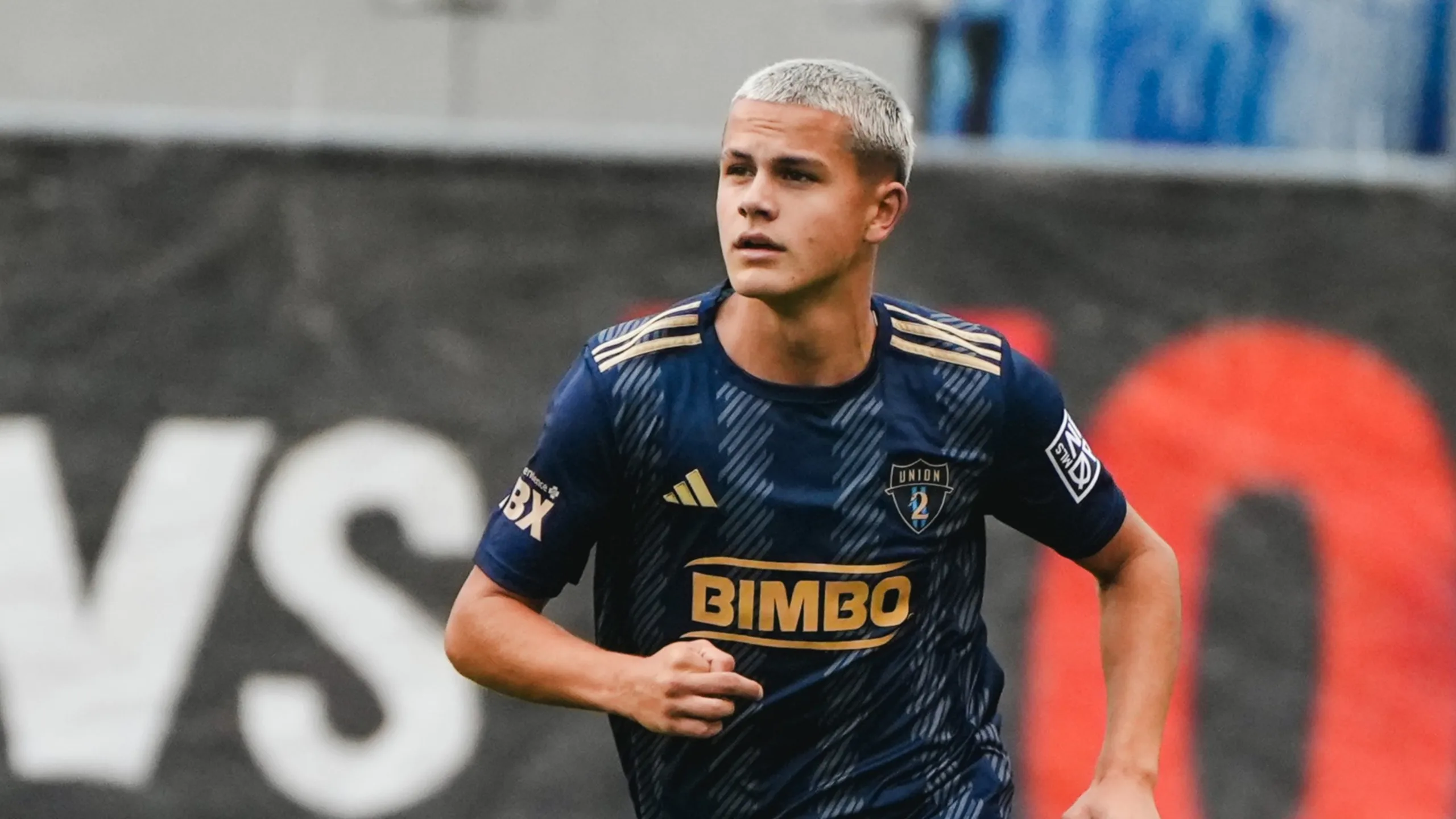
This move gives U.S. prospects better visibility internationally, helps MLS teams sign, develop, and sell young talent more efficiently, removes scheduling barriers between MLS, MLS NEXT Pro, youth national teams, and global competitions, and makes it easier for teenagers entering the league to hit the ground running.
For a league that’s rapidly becoming a major exporter of young talent, this is a generation-defining shift — and the next wave of American stars stands to benefit the most.
Share this story
Help spread the word about youth soccer