
Keyvan Figueroa Takes Early Step Into English System
Figueroa’s introduction into Burnley’s U18 environment at 15 places him on an accelerated track within a proven development system.
Leo Santos
Sports Journalist
Keyvan Figueroa is quietly emerging as one of the more intriguing 2011-born defensive profiles developing in England right now. Still early in his pathway, the Houston-born centre back is already operating in a high-performance environment at Burnley, a club known for demanding defensive structure, discipline, and repeatable decision-making from its academy defenders. His trajectory has been accelerated, but not rushed, which is usually a strong early signal in elite youth development contexts.
The most recent milestone came when Figueroa made his Burnley FC U18 debut, entering a Premier League U18 fixture against Newcastle United for the final 30 minutes. At just 15 years, 2 months, and 3 days old, this is a significant age-gap jump, placing him against players often three to four years older in a high-tempo, physically demanding match environment. For context, these minutes are less about performance volume and more about exposure to speed, contact load, and decision pressure at an accelerated level.
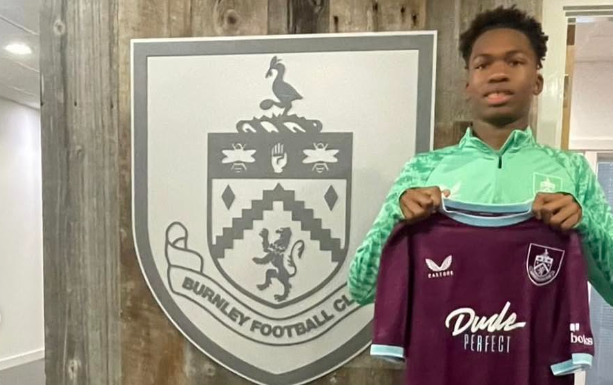
Since officially joining Burnley’s U16 setup in October 2025, Figueroa has moved quickly through internal development stages, reflecting both readiness and trust from the coaching pathway. Burnley’s academy structure typically promotes players based on training consistency, tactical reliability, and physical adaptation rather than isolated moments, which suggests his progression has been earned through daily standards rather than short-term output. That type of progression profile is often associated with long-term first-team consideration rather than early hype cycles.
Before moving to England, Figueroa developed within the Houston Dynamo Academy system, where he built his foundational defensive habits. That environment is increasingly recognized for producing tactically adaptable players capable of transitioning into European academies, particularly in defensive roles where spatial awareness and 1v1 timing are critical. His move from MLS development into a Premier League academy pathway reflects a growing trend of North American defenders entering European systems earlier in their teenage years.

This is a clear example of how elite defensive development pathways are becoming more international, earlier, and more performance-filtered. Players like Keyvan and his brother Keyrol Figueroa represent a broader shift where U.S.-developed talent is being integrated into European academy ecosystems before traditional late-teen transition points. For young defenders, the takeaway is simple but important — minutes at U18 level at 15 are less about immediate dominance and more about being trusted in high-speed learning environments that accelerate long-term ceiling.
Share this story
Help spread the word about youth soccer