
Next Dual-Nat Battle: Honduras Makes Its Move For Keyrol Figueroa
Figueroa’s profile is built on verified production and a competitive environment.
Leo Santos
Sports Journalist
The next critical dual-national storyline is no longer theoretical — it’s active. Nineteen-year-old forward Keyrol Figueroa is reportedly set to meet with the Honduran Football Federation, which is preparing a formal integration plan into the senior national team. This is not routine outreach. It is a targeted recruitment effort centered on one of the most in-form attackers in the youth international pipeline.
Figueroa’s profile is built on verified production and a competitive environment. A consistent presence across multiple USYNT cycles, he has developed within one of the deepest player pools globally. That trajectory has accelerated at Liverpool FC Academy, where he has delivered 11 goals in 18 matches this season. The output reflects more than form — it signals efficiency, defined role usage, and growing reliability as a central attacking piece.
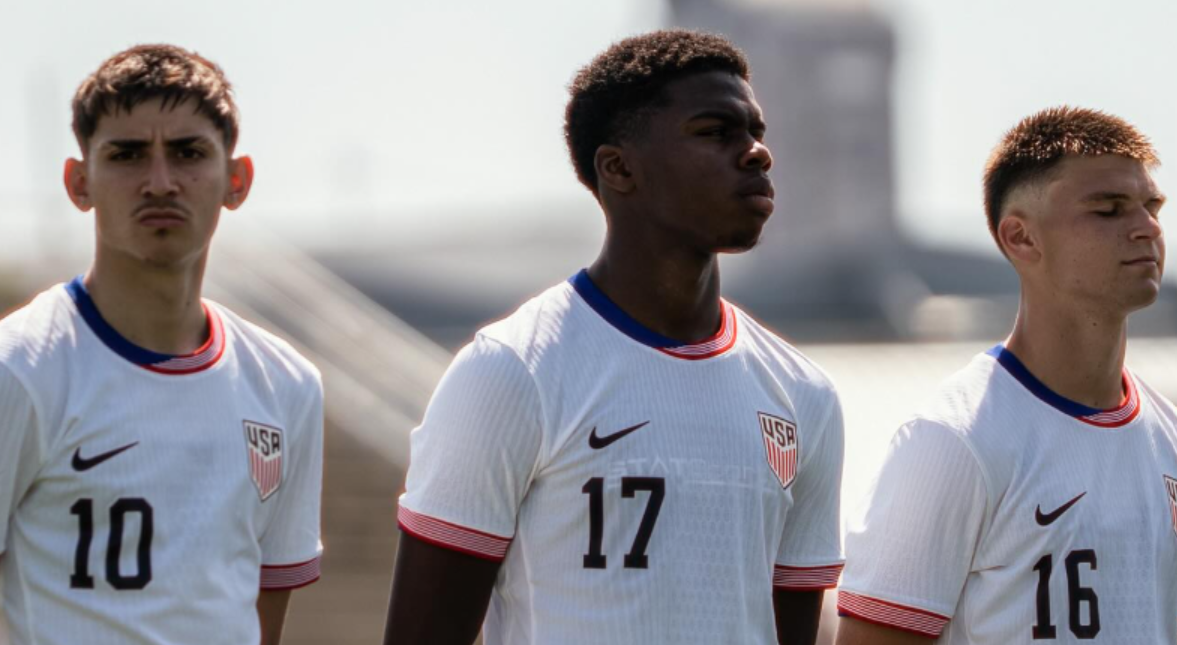
The recruitment push from the Honduran Football Federation carries an additional layer of strategic leverage. Figueroa is the son of Maynor Figueroa, one of Honduras’ most capped and respected players. That connection is not just symbolic — it provides a cultural bridge and built-in trust factor that can influence decision-making in tightly contested dual-national scenarios.
At its core, this is about timing. Figueroa is entering the phase where youth international involvement transitions into senior-level commitment. Honduras is attempting to accelerate that timeline by presenting a clearer and potentially faster route to senior minutes. In contrast, the U.S. system’s depth often creates a longer runway to first-team opportunities, even for high-performing prospects.
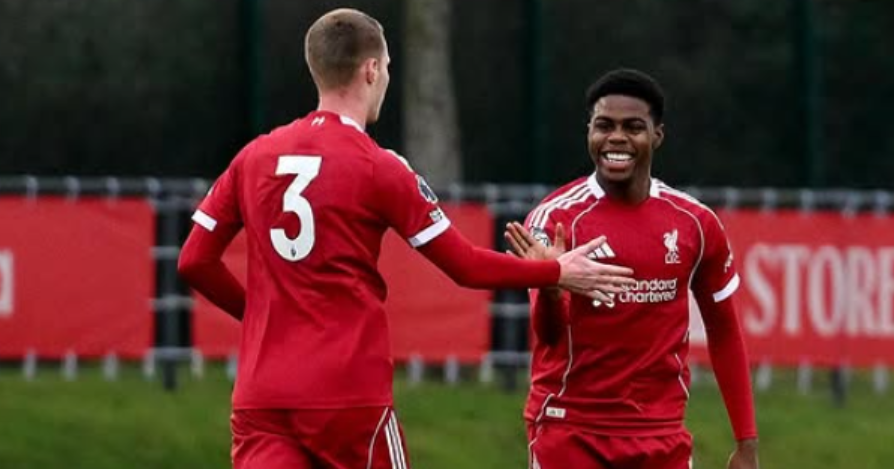
For Honduras, the upside is immediate and structural. Securing a forward development within a top European academy system raises the ceiling of their attacking pool while signaling a shift toward proactive, early-stage dual-national recruitment. For the player, the decision is less about eligibility and more about pathway optimization — where development, opportunity, and identity align most effectively.
Figueroa’s situation is a textbook case of the modern pathway reality: elite prospects are no longer just developed — they are actively recruited. Federations are competing on clarity of plan, speed of opportunity, and strength of cultural connection.
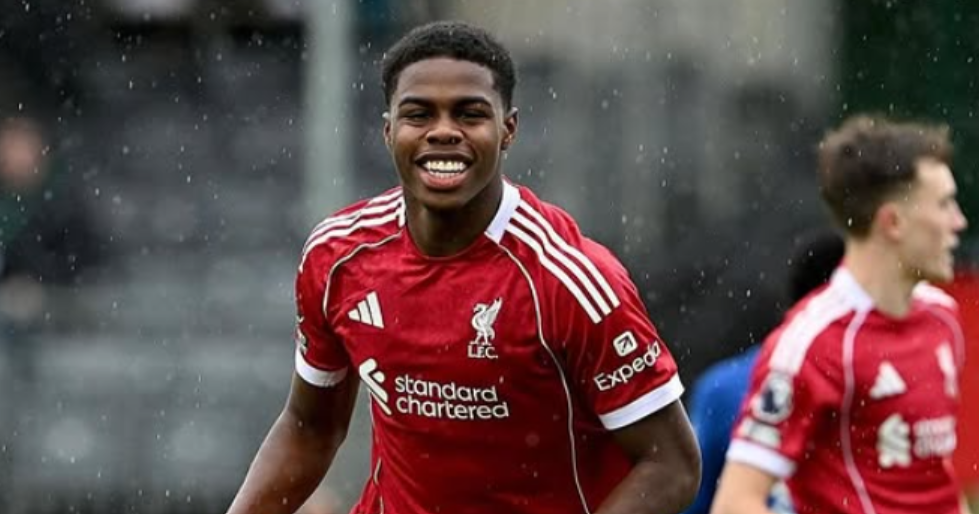
For next-gen players and families, the takeaway is direct. Performance creates leverage, but decision-making defines trajectory. Choosing a national team is no longer just about long-term aspiration — it’s about immediate fit, timing, and access to meaningful minutes. In that equation, the federation with the most actionable plan — not just the biggest name — often wins.
Share this story
Help spread the word about youth soccer