
Generation Adidas Cup 2026: U15 & U16 Finals recap, tournament winners
The 2026 Generation adidas Cup Finals delivered a clear snapshot of where elite youth development is trending globally: structured identity, tactical discipline, and decisive execution in key moments.
Leo Santos
Sports Journalist
The 2026 Generation adidas Cup Finals delivered a clear snapshot of where elite youth development is trending globally: structured identity, tactical discipline, and decisive execution in key moments. Across both the U15 and U16 divisions, the margins between top academies continue to shrink, but the teams that separate themselves are those with a defined playing model they can impose under pressure. This year’s finals highlighted two different pathways to success: one built on overwhelming attacking dominance, the other on control, patience, and precision.
U15 Division
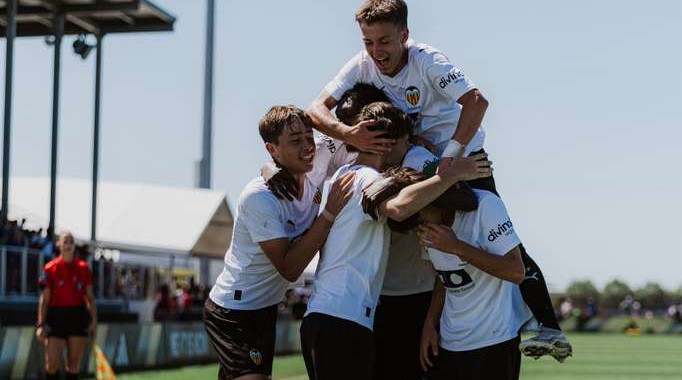
Valencia CF overwhelmed Seattle Sounders FC 5-0 in the U15 final, delivering one of the most dominant performances of the tournament. Alfonso Calderon led the way with a brace, capping off a complete attacking display that has defined Valencia’s run from the group stage through the final. Their ability to control possession, progress the ball with purpose, and finish efficiently made them untouchable. Seattle, despite an impressive path to the final that included navigating past top opposition like FC Bayern and LAFC, struggled to generate clear-cut chances and never found a foothold in the match.
Valencia’s tournament identity was clear from the start — high-tempo, attack-first football with consistent end product. They didn’t just win games; they dictated them. The final was simply a reflection of a team that had already separated itself from the field in both quality and execution.
U16 Division
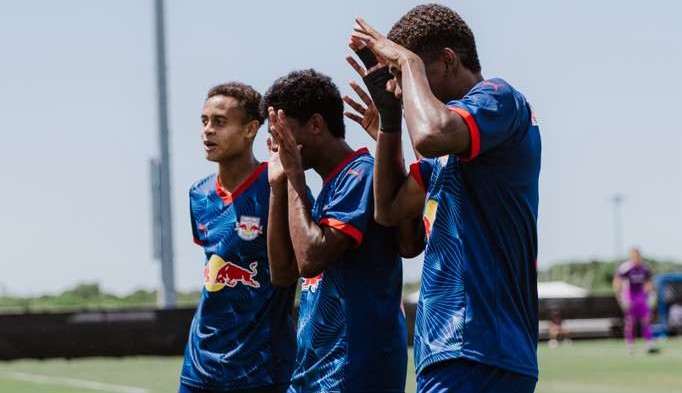
The U16 final presented a stark contrast, with RB Bragantino edging FC Copenhagen 1-0 in a tightly controlled, tactical contest. Both sides emphasized defensive pressing and ball security, limiting space and minimizing risk in possession. It was a match defined by discipline and fine margins, where a single moment would decide the outcome.
That moment came through Hugo Alves, whose goal ultimately secured the title for Bragantino. In a game where chances were limited, his ability to capitalize proved decisive. Bragantino’s progression through the tournament showcased a team growing in confidence, blending structured play with moments of Brazilian attacking flair to create decisive actions.
FC Copenhagen, while falling short in the final, reinforced their quality throughout the tournament. Their consistency in the group stage and composure in the knockout rounds highlighted a well-developed system capable of competing at the highest level. However, finals at this stage demand near perfection, and even a slight drop-off can be the difference.
The Bigger Picture

Across both age groups, the defining theme was identity. Valencia and Bragantino didn’t adapt to opponents — they imposed a clear style of play that held up under pressure. At the elite youth level, that clarity is increasingly what separates contenders from champions.
Share this story
Help spread the word about youth soccer