
Global Youth Powerhouses Enter 2026 GA Cup Frame
For MLS academies, these matches represent opportunities to test their elite prospects against the tactical standards set by Europe’s and Asia’s top youth pipelines.
Leo Santos
Sports Journalist
MLS has officially unveiled the international clubs set to compete in the 2026 Generation Adidas Cup — and the lineup confirms what the tournament has quietly become: one of the most important youth development battlegrounds in the world. This year’s international field features academy powerhouses from Europe, South America, Asia, and North America, placing MLS NEXT prospects directly against some of the strongest development systems in global football.
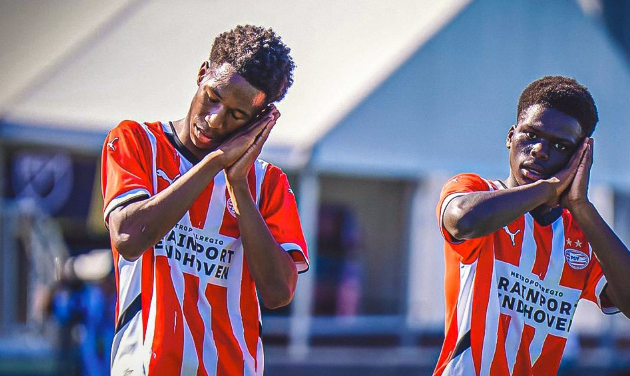
At the U-15 level, the international slate includes some of the sport’s most recognizable development brands: FC Barcelona (Spain), FC Bayern Munich (Germany), Club América (Mexico), PSV Eindhoven (Netherlands), RSC Anderlecht (Belgium), Toulouse FC (France), Valencia CF (Spain), Seongnam FC (South Korea, and Al Fateh SC (Saudi Arabia).

For MLS academies, these matches represent rare opportunities to test their youngest elite prospects against the tactical and technical standards set by Europe’s and Asia’s top youth pipelines.
The U-16 division expands the global footprint even further. Clubs confirmed include Boca Juniors (Argentina), Red Bull Bragantino (Brazil), CF Monterrey (Mexico), VFL Wolfsburg (Germany), FC Copenhagen (Denmark), Busan IPark (South Korea), CAI Panama (Panama), Mile Gully FC (Jamaica), Nagoya Grampus (Japan), and SK Slavia Prague (Czechia).
The mix is particularly notable for its geographic diversity — bringing together South American pressing systems, European positional structures, and emerging academies from Central America and the Caribbean.
For young players, tournaments like the Generation Adidas Cup function as something much bigger than a youth competition. Scouts from professional clubs across multiple continents regularly track the event, and strong performances can accelerate international recognition or future professional opportunities. Over the past few editions, the tournament has increasingly served as a proving ground where MLS NEXT prospects measure themselves against established global development models.

Just as important is the stylistic exposure. Facing a club like Boca Juniors often means dealing with intense physical duels and aggressive pressing, while a matchup against Barcelona or PSV introduces possession-heavy positional play. For American prospects who spend most of the year competing domestically, these games compress years of learning into a single tournament environment.
The Generation Adidas Cup has quietly evolved into one of the most valuable talent benchmarking environments in the global youth ecosystem. For MLS academies, success against clubs like Bayern Munich or Boca Juniors signals genuine progress in the U.S. development pipeline. For the players themselves — many of whom are entering the critical 15–17 age window where professional pathways begin to form — these matches are early auditions on a global stage.
In short: this isn’t just a youth tournament anymore. It’s a measuring stick for the future of the North American player pathway.
Share this story
Help spread the word about youth soccer