
From U.S. Friendlies to El Tri Starts: Gutierrez and Ledezma Switch
Instead of easing them in, El Tri put all three dual-national midfielders straight into the lineup, signaling clear intent and belief in their long-term value.
Leo Santos
Sports Journalist
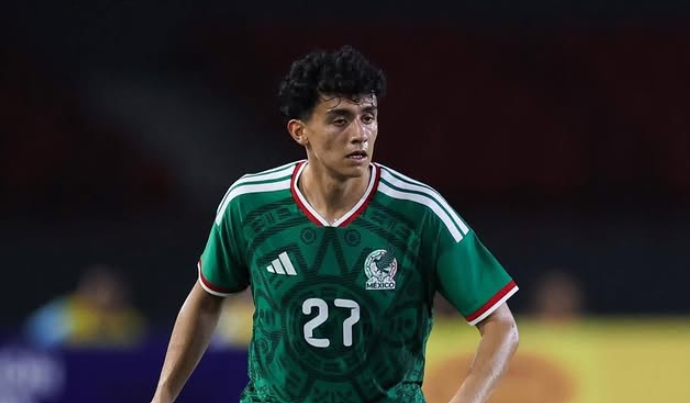
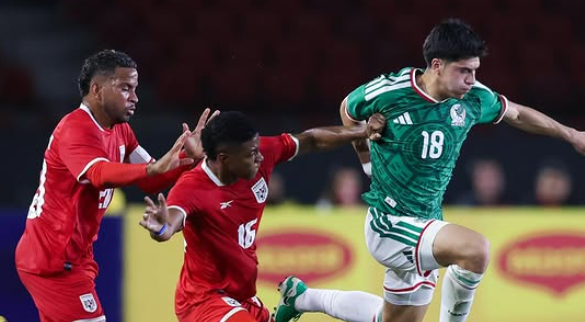
Brian Gutiérrez and Richard Ledezma officially began new chapters at the international level, both starting for Mexico and making their debuts for the federation. The moment carried extra weight: each had previously appeared for the United States Men’s National Team in friendlies. They weren’t alone — Obed Vargas, who committed to Mexico several years ago, was also in the starting lineup.
This wasn’t a symbolic call-up. It was trust.
The Ongoing Pursuit Of Dual-Nats
Friendlies with the U.S. kept Gutiérrez and Ledezma eligible to make a one-time switch. Mexico didn’t just recruit them — they acted decisively. Instead of easing them in, El Tri put all three dual-national midfielders straight into the lineup, signaling clear intent and belief in their long-term value.
For players who spent years in U.S. youth systems, this was a definitive pivot.
Why This Matters
This moment cuts to the core of modern international soccer: opportunity beats affiliation.
For Gen Z players growing up in dual-national households, national team allegiance is no longer about childhood camps or federation branding. It’s about a simple question: Where do I actually play? Mexico answered that clearly.

Gutiérrez, Ledezma, and Vargas didn’t switch because of hype — they switched because Mexico offered clarity, minutes, and a defined role. Starts on debut matter. They communicate trust faster than any recruitment pitch ever could.
On the flip side, this is a warning sign for U.S. Soccer. Calling players into friendlies without a concrete integration plan is no longer enough. In a globalized player pool, indecision creates vulnerability.
The Bigger Picture
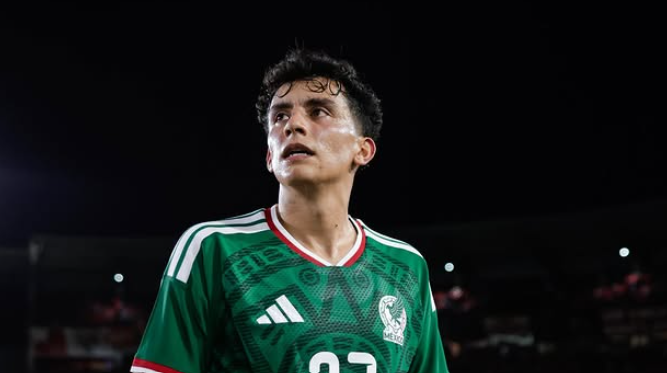
Mexico’s approach here is strategic, not reactionary. By recruiting U.S.-developed players and immediately integrating them, El Tri is leveraging the best of both worlds: American development infrastructure and Mexican national team identity.
This trend isn’t going away. As MLS academies, MLS NEXT Pro, and European pathways continue producing dual-national talent, federations will increasingly compete on execution, not just access.
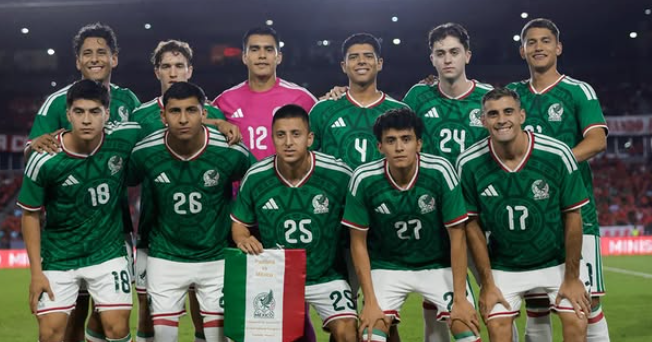
Gutiérrez, Ledezma, and Vargas didn’t just make debuts. They made a statement about how international careers are being built in this generation.
And for the next wave of dual-nationals coming up, this moment will absolutely shape their decisions.
Share this story
Help spread the word about youth soccer