
Six Days to Kickoff: Everything to Know About the 2026 FIFA U-17 Women’s World Cup
The FIFA U-17 Women’s World Cup returns to Morocco on October 17, with 24 nations competing for the title. The United States will look to make a deep run, while Argentina prepares for its historic first appearance at the tournament.
Lucas Aguirre
Sports Journalist
The countdown is nearly over. In just six days, the FIFA U-17 Women’s World Cup will return as 24 national teams gather in Morocco for the tenth edition of the tournament. Running from October 17 through November 7, the competition will bring together emerging talent from six confederations, offering a global stage for some of the most promising players in women’s football.
Morocco will host the tournament for the second consecutive year, continuing a new chapter for the competition. The 2025 edition marked the introduction of the expanded 24-team format, and the annual tournament now provides more opportunities for young players and national programs to compete at the highest international level. All matches through the quarterfinals will be played at the Women’s Football Complex in Rabat, with the semifinals, third-place match and final scheduled for Prince Moulay Abdellah’s nearby stadium complex.
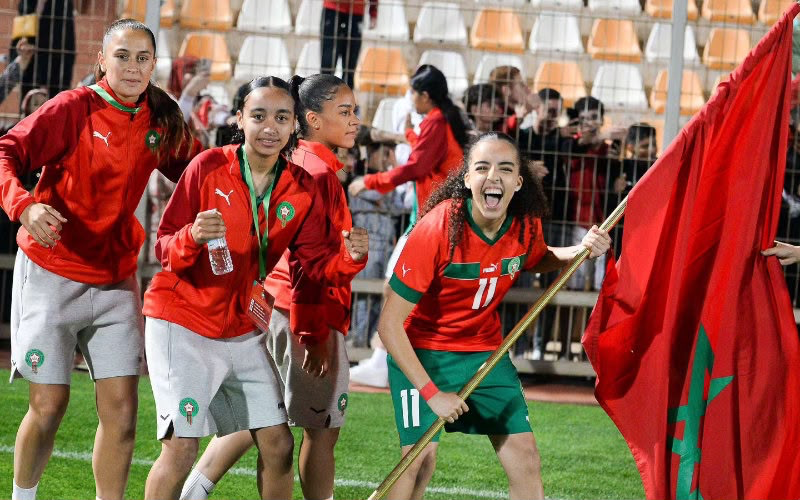
The 24 participating nations are divided into six groups of four, with the top two teams from each group and the four best third-place finishers advancing to the round of 16. The format leaves room for teams to recover from an opening setback, but consistency across the three group-stage matches will be crucial.
The groups feature several compelling matchups. Group A brings together hosts Morocco, New Zealand, Germany and Argentina. Group B features defending champions Korea DPR, Puerto Rico, Poland and Nigeria. Canada, Brazil, Norway and Ghana make up Group C, while Japan, Zambia, France and Venezuela will compete in Group D.
Group E includes the United States, Samoa, Kenya and China PR, while Group F brings together Spain, Mexico, Australia and Chile. With established youth programs and emerging nations represented throughout the draw, the tournament offers a wide-ranging look at the next wave of international women’s football.
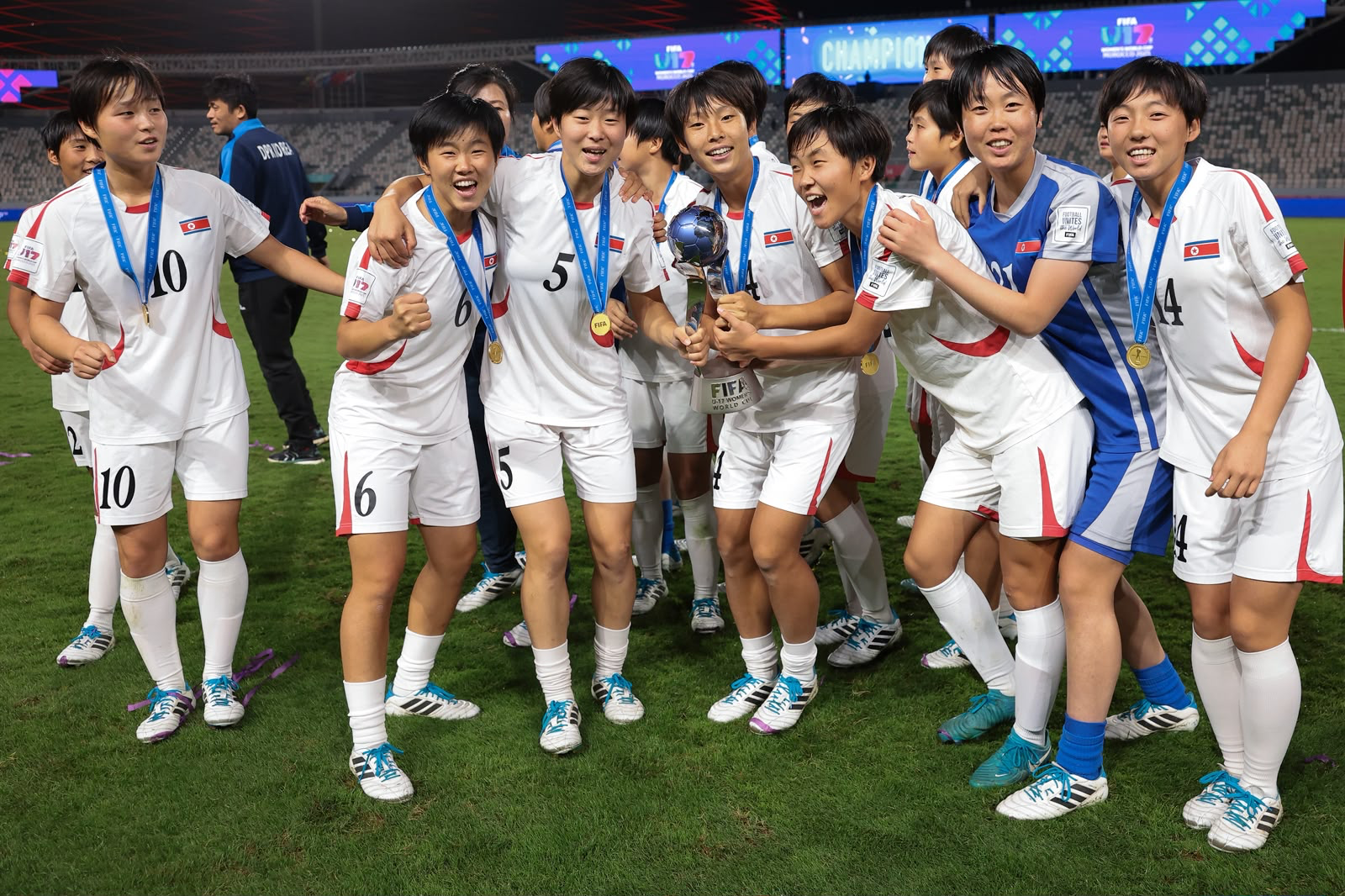
Korea DPR arrive as the team to beat after winning the 2024 and 2025 editions. Having already established themselves as one of the competition’s most successful nations, they will attempt to make history by becoming the first team to win three consecutive U-17 Women’s World Cup titles.
Their campaign begins on October 17 against Puerto Rico, the same day the tournament gets underway. Korea DPR will share Group B with Poland and Nigeria, meaning their path to the knockout stages will include opponents with different styles and levels of experience at this level.
Spain, Japan, Germany, Brazil and the United States are among the other teams to watch as the competition unfolds. The group stage should offer an early indication of which programs are ready to challenge the reigning champions and which emerging nations could make a surprise run.
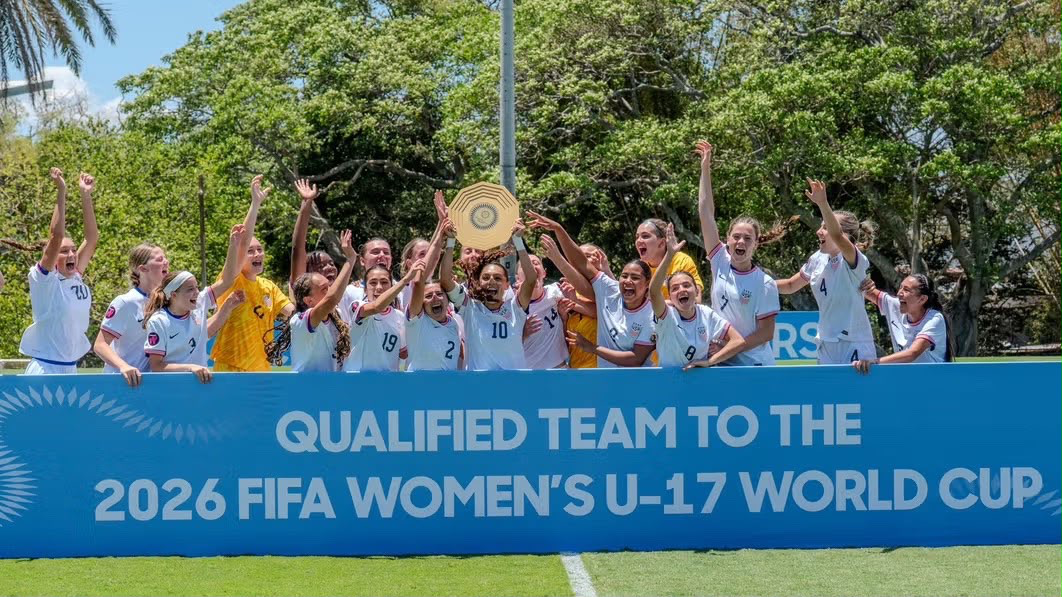
The United States will enter the tournament looking to improve on its previous performances at this level. The team’s best finish remains a runner-up result in the inaugural 2008 edition, and the Americans are making their eighth appearance at the competition.
Head coach Ciara Crinion’s squad includes players from a variety of development environments, including professional club systems, independent youth clubs and college programs. Defender Meila Brewer is one of the players to watch after featuring at the 2025 tournament, where she started all four matches. She has since played professionally with Kansas City Current before joining Dallas Trinity FC in the USL Super League.
The United States opens its campaign against Samoa on October 19 before facing Kenya on October 22 and China PR on October 25. Group E offers the Americans a clear opportunity to target progression, although the three-match schedule leaves little room for complacency. A strong start against Samoa would be an important first step toward reaching the knockout stages.
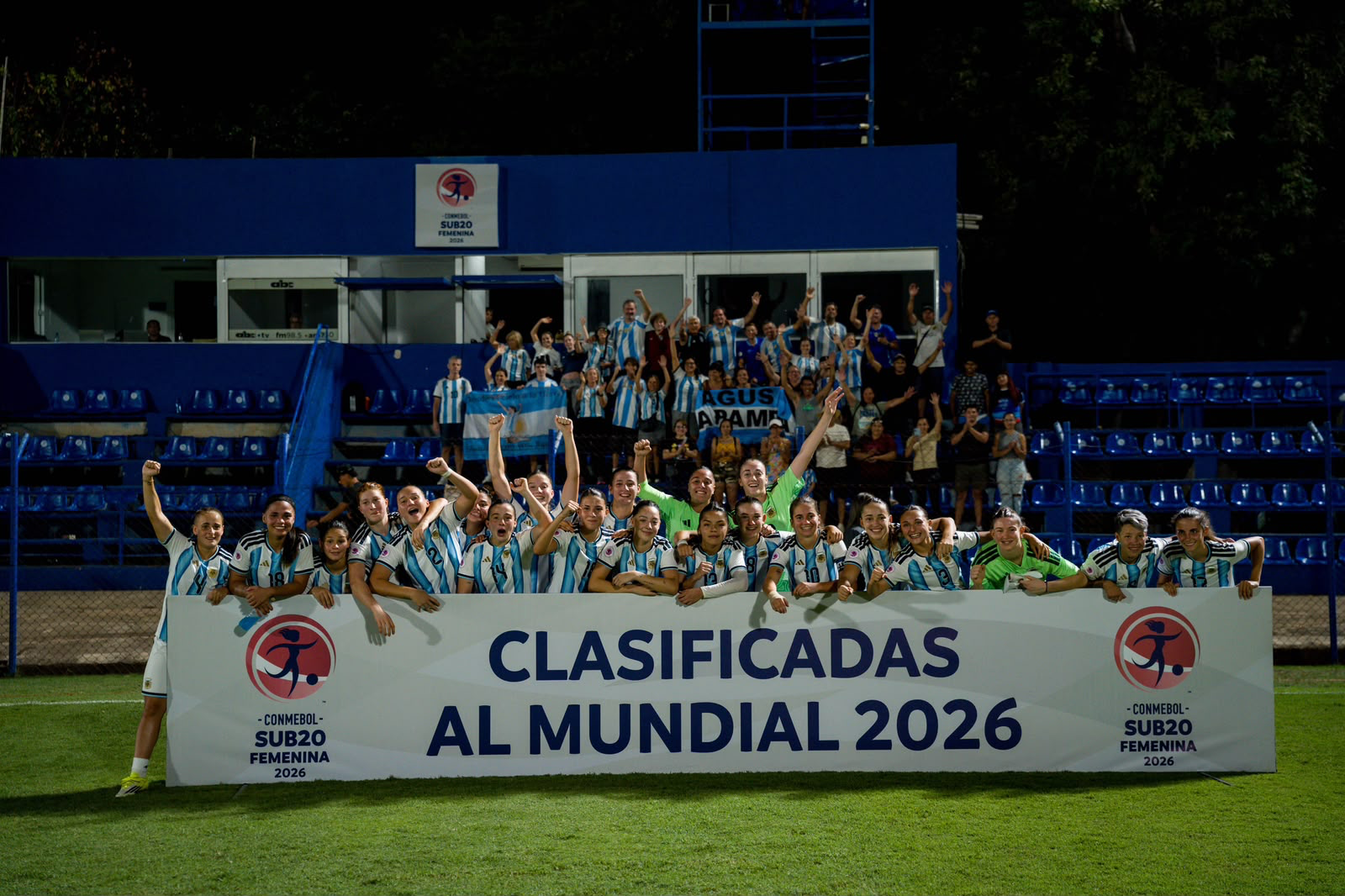
One of the tournament’s most significant storylines will be Argentina’s first-ever appearance at a FIFA U-17 Women’s World Cup. Led by head coach Christian Meloni, Argentina secured qualification after finishing second at the South American U-17 Women’s Championship in Paraguay.
Their debut will not be an easy one. Argentina opens against Germany on October 17 before meeting New Zealand on October 20 and hosts Morocco on October 23. Group A is among the more challenging pools, with a European heavyweight, a developing Oceania side and the home nation all standing between Argentina and a place in the knockout rounds.
For Argentina, however, simply reaching the tournament represents a landmark moment for the women’s youth program. The experience of competing against different footballing cultures on the global stage could prove valuable for the players’ development and for the future of the national team pathway. Their performances will also offer a benchmark for how the program compares with some of the world’s leading youth systems.
The tournament begins on Saturday, October 17, with four group-stage matches. Germany faces Argentina and Korea DPR takes on Puerto Rico at 3 p.m. local time, followed by Morocco against New Zealand and Poland against Nigeria at 6 p.m.
The United States will not play until Monday, October 19, giving the tournament’s opening two days a chance to showcase several other contenders before the Americans begin their campaign.
With 52 matches scheduled across the competition, Morocco 2026 will provide nearly three weeks of international youth football and an opportunity to follow players who could become important figures in the senior game in the years ahead.
Six days remain before kickoff. Korea DPR will pursue a historic third straight title, the United States will look to make a deep run, and Argentina will take its first steps on the world stage. As the next generation of women’s football prepares to compete, Morocco is set to become the center of the global youth game.
Share this story
Help spread the word about youth soccer